
How Much to Save for Emergency Fund: A Complete Guide to Financial Security
Building an emergency fund is one of the most important financial decisions you can make. When unexpected expenses arise—like medical bills, car repairs, or job loss—having money set aside can mean the difference between financial stability and debt. The question most people face is: emergency fund how much to save for true financial security?
Determining the right amount for your emergency fund how much to save depends on your unique circumstances, lifestyle, and financial obligations. While the traditional advice suggests saving three to six months of expenses, your ideal emergency fund amount may be different. This guide will walk you through calculating your personal savings target and building it effectively.
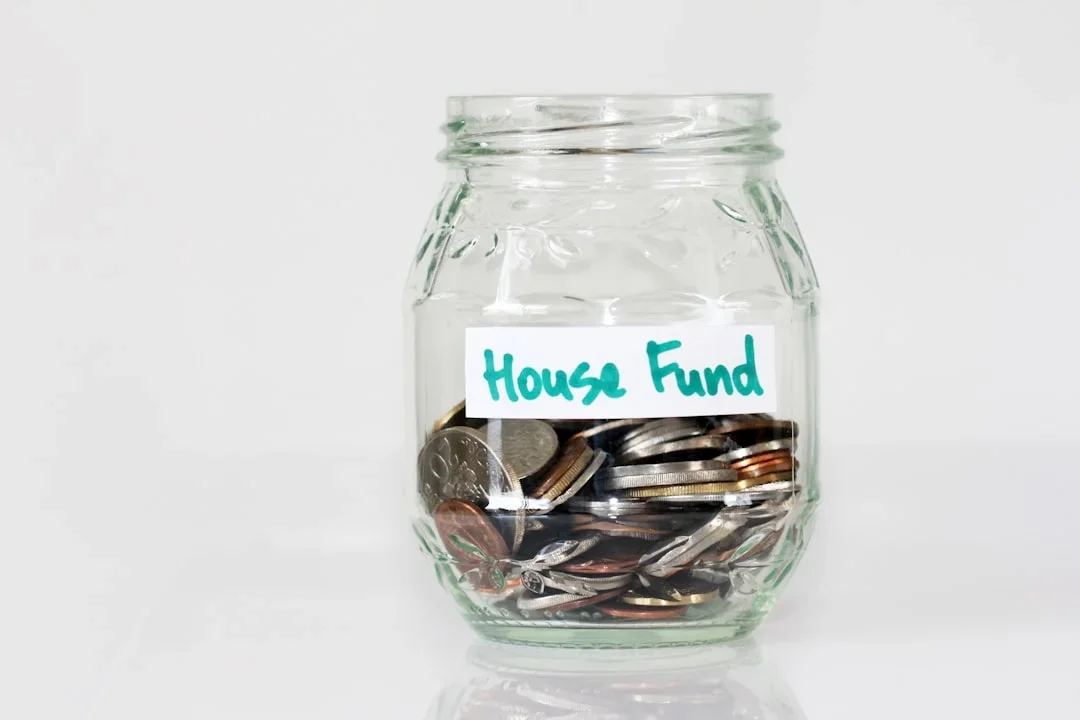
Emergency Fund How Much to Save: Understanding the Basics
An emergency fund is a dedicated savings account that covers unexpected expenses or financial emergencies. Unlike other savings goals, this money serves as your financial safety net when life throws curveballs your way.
The purpose of an emergency fund extends beyond just having extra cash. It provides peace of mind, prevents debt accumulation during crises, and maintains your financial stability when income is disrupted. Studies show that 40% of Americans cannot cover a $400 emergency expense without borrowing money or selling something.
Common financial emergencies include job loss, medical expenses, major home or car repairs, family emergencies, and unexpected travel costs. Without an emergency fund, these situations often lead to credit card debt, personal loans, or borrowing from retirement accounts—all costly solutions.
The consequences of lacking emergency savings are severe. People without emergency funds are more likely to accumulate high-interest debt, miss bill payments, and experience financial stress that affects their health and relationships. Having an emergency fund breaks this cycle and provides financial resilience.
How Much to Save: The Standard Emergency Fund Rule
The widely accepted guideline for emergency fund how much to save is three to six months of living expenses. This range covers most people's needs while remaining achievable for average earners. The three-month minimum provides basic protection, while six months offers more comprehensive security.
Why this specific range? Three months covers short-term emergencies like temporary job loss or major repairs. Six months provides cushion for longer situations like extended unemployment or serious health issues. The range accounts for different risk levels and personal circumstances.
Some financial situations call for variations from the standard rule. Government employees or those with very stable jobs might manage with three months. Self-employed individuals, commission-based workers, or those in volatile industries should aim for six to twelve months of expenses.
Your emergency fund target also depends on your support network. People with family financial backup might need less, while those without external support should save more. Consider your specific circumstances rather than blindly following general advice.
The key is starting somewhere. Even $500 can prevent many common emergencies from becoming debt. Build toward the three-month target first, then work toward six months as your financial situation improves.
Emergency Fund How Much to Save: Personal Calculation Method
Calculating your emergency fund how much to save requires identifying your essential monthly expenses. Start by reviewing three months of spending to understand your true costs. Include housing, utilities, food, transportation, insurance, minimum debt payments, and basic personal care items.
Step 1: List Essential Expenses
- Housing (rent/mortgage, property taxes, HOA fees)
- Utilities (electricity, gas, water, internet, phone)
- Food and groceries
- Transportation (car payment, insurance, gas, maintenance)
- Insurance premiums (health, life, disability)
- Minimum debt payments
- Basic personal care and medications
Step 2: Exclude Non-Essential Spending Remove discretionary expenses like dining out, entertainment, subscriptions, hobbies, and luxury purchases. During emergencies, you would cut these costs first. Focus only on expenses you could not eliminate quickly.
Step 3: Calculate Your Target Amount Multiply your essential monthly expenses by your chosen number of months (3-6). For example, if essential expenses total $3,000 monthly, your emergency fund should be $9,000-$18,000.
Example Calculation:
- Single person, essential expenses: $2,500/month
- 6-month emergency fund: $2,500 × 6 = $15,000
- Dual income family, essential expenses: $4,500/month
- 3-month emergency fund: $4,500 × 3 = $13,500
Track your spending for accuracy. Many people underestimate their true essential costs. Use banking apps or budgeting tools to identify patterns and ensure your calculation reflects reality.
Key Factors in Emergency Fund How Much to Save Decisions
Your ideal emergency fund how much to save amount depends on several personal factors beyond basic expenses. Job stability is the primary consideration—those with secure employment need less than workers in unstable industries or contract positions.
Number of dependents significantly impacts your emergency fund needs. Single individuals can cut expenses more easily than families with children. Each dependent adds essential costs that cannot be eliminated during emergencies, requiring larger emergency funds.
Health conditions also influence your target amount. Chronic conditions requiring ongoing treatment, prescription medications, or potential emergency care warrant larger funds. Consider both current health status and family medical history when calculating needs.
Existing debt levels affect both your emergency fund size and building strategy. High debt payments increase essential monthly expenses, requiring larger emergency funds. However, some experts suggest building a small emergency fund first, then focusing on debt reduction before completing the full emergency fund.
Dual vs single income households have different risk profiles. Two-income families might manage with smaller funds since both partners losing jobs simultaneously is unlikely. Single-income families face higher risk and should save more months of expenses.
Industry volatility matters significantly. Healthcare workers and government employees typically have more job security than those in seasonal, cyclical, or rapidly changing industries. Tech workers, construction workers, and retail employees might need larger emergency funds.
Geographic location influences both expenses and job opportunities. Rural areas with limited employment options warrant larger emergency funds, while urban areas with diverse job markets might allow smaller funds.
Best Places to Keep Your Emergency Fund Savings
Your emergency fund needs three key characteristics: accessibility, safety, and liquidity. The money must be available quickly, protected from market volatility, and earn some interest to combat inflation.
High-yield savings accounts are the most popular choice for emergency funds. These accounts offer FDIC insurance, immediate access, and competitive interest rates. Online banks typically offer the best rates while maintaining easy access to your money.
Money market accounts provide another solid option with slightly higher interest rates than traditional savings accounts. They often include check-writing privileges and debit cards for easy access while maintaining FDIC protection.
Certificates of deposit (CDs) can work for part of your emergency fund, particularly longer-term CDs with penalty structures you can accept. Consider laddering CDs so portions mature regularly, providing periodic access without penalties.
What to avoid for emergency funds includes investment accounts, stocks, bonds, or retirement accounts. These options involve market risk, potential penalties, or tax consequences that make them unsuitable for emergency money you might need quickly.
Some people split emergency funds between immediately accessible accounts (for minor emergencies) and slightly less accessible but higher-yield options (for major emergencies). This strategy can maximize earnings while maintaining necessary liquidity.
Account features to prioritize:
- FDIC or NCUA insurance
- No monthly fees
- Online and mobile access
- Competitive interest rates
- No minimum balance requirements
- Easy transfer capabilities

Emergency Fund How Much to Save: Fast Building Strategies
Building your emergency fund how much to save target requires strategy and commitment. Start with a realistic timeline—saving $10,000 might take 10 months at $1,000 per month or 20 months at $500 per month. Set achievable monthly targets based on your budget capacity.
Automate your savings to remove temptation and ensure consistency. Set up automatic transfers from checking to your emergency fund immediately after payday. Treat this transfer like a non-negotiable bill payment.
Start small if necessary. Save $25-50 per week if larger amounts are not feasible. Small, consistent contributions compound over time and build the savings habit. Even $25 weekly creates $1,300 annually.
Find extra money through expense reduction and income optimization. Cancel unused subscriptions, reduce dining out, negotiate bills, and redirect found money to emergency savings. Track spending to identify areas for cuts.
Use windfalls strategically. Tax refunds, bonuses, gifts, or selling unused items can accelerate emergency fund building. Allocate at least 50% of unexpected money to emergency savings rather than lifestyle upgrades.
Consider side hustles for faster progress. Freelancing, gig work, or part-time jobs can provide additional income dedicated entirely to emergency fund building. Popular options include food delivery, tutoring, or selling handmade items.
Temporary sacrifices can speed the process. Consider living below your means for several months to jumpstart emergency savings. Reduce entertainment, postpone purchases, or take on extra work temporarily.
Milestone celebration keeps motivation high. Celebrate reaching 25%, 50%, and 75% of your goal. Small rewards acknowledge progress without derailing your savings plan.
Emergency Fund How Much to Save: Common Mistakes to Avoid
Using emergency funds for non-emergencies is the most common mistake when deciding emergency fund how much to save and maintain. Vacations, holiday gifts, or wants (versus needs) do not qualify as emergencies. Maintain strict criteria: immediate necessity, unexpected occurrence, and significant financial impact.
Saving too little leaves you vulnerable to larger emergencies. Starting with $500-1000 is fine, but do not stop there. Continue building toward your full target amount based on your personal calculation.
Saving too much can also be problematic. Emergency funds earning 1-3% interest rates should not replace other financial goals like retirement savings or debt repayment. Balance emergency savings with other priorities.
Wrong account types reduce accessibility or safety. Investment accounts, retirement funds, or accounts with withdrawal penalties are not suitable for emergency money. Prioritize accessibility over growth for these funds.
Not replenishing after use defeats the purpose of emergency planning. When you use emergency funds, immediately resume contributions to restore the full amount. Treat replenishment as high priority.
Ignoring inflation erodes your emergency fund's purchasing power over time. Review and adjust your target amount annually to maintain real buying power. A $15,000 fund loses value if not increased with inflation.
All-or-nothing thinking prevents progress. Some people do not start saving because they cannot reach the full target immediately. Building something is always better than building nothing. Start where you can and improve over time.

Maintaining Your Emergency Fund How Much to Save Target
Regular reviews ensure your emergency fund how much to save target remains adequate for your current situation. Review annually or after major life changes like job changes, moving, marriage, or having children. Adjust the target amount as your expenses change.
Life changes requiring adjustments include income increases or decreases, new dependents, health changes, job changes, or major expense changes like buying a home. Each change might warrant emergency fund size modifications.
Inflation protection maintains your fund's purchasing power. If inflation runs 3% annually, your emergency fund needs similar growth to maintain real value. Consider moving funds to higher-yield accounts when rates increase.
When to increase your emergency fund:
- Job becomes less secure
- Health issues develop
- Dependents are added
- Income becomes more variable
- Economic uncertainty increases
- Major expenses increase permanently
Rebalancing strategies help optimize your emergency fund over time. As the fund grows large, consider splitting between immediately accessible accounts and slightly higher-yield options with minor restrictions.
Integration with other financial goals ensures balance. Emergency funds should not prevent retirement savings, debt repayment, or other important goals. Once established, maintain the emergency fund while pursuing other objectives.
Technology tools can help manage and monitor your emergency fund. Banking apps, budgeting software, and automatic savings programs simplify maintenance and growth tracking.
Final Thoughts on Emergency Fund How Much to Save
Building an adequate emergency fund how much to save requires personalized calculation, consistent saving, and ongoing maintenance. The standard three-to-six-month guideline provides a starting point, but your ideal amount depends on job stability, dependents, health, and personal risk tolerance.
Start building your emergency fund today, regardless of the amount. Even $500 prevents many common expenses from becoming debt problems. Focus on consistency over perfection—regular small contributions build substantial funds over time.
Remember that emergency fund building is part of comprehensive financial planning. Balance emergency savings with debt repayment, credit building, and other financial goals for optimal results.
Your emergency fund how much to save decision provides more than financial protection—it offers peace of mind and confidence to handle life's uncertainties. Invest time in calculating your needs, building systematically, and maintaining your fund as circumstances change.
Disclaimer: This article is for informational purposes only and should not be considered professional financial advice. Consult with a qualified financial advisor for personalized guidance based on your specific financial situation and goals.
Frequently Asked Questions
How much should I save in my emergency fund?
Save 3-6 months of essential living expenses in your emergency fund. Calculate your monthly necessities like housing, utilities, food, and transportation, then multiply by 3-6 months. Your specific target depends on job stability, dependents, and personal risk factors.
Is 3 months of expenses enough for an emergency fund?
Three months can be adequate for people with stable jobs and strong support networks, but most financial experts recommend 6 months. Self-employed individuals, single-income households, or those in volatile industries should aim for 6-12 months of expenses.
Should I pay off debt or save for emergencies first?
Build a small emergency fund ($500-1000) first, then focus on high-interest debt repayment, then complete your full emergency fund. This approach prevents new debt during emergencies while efficiently reducing existing debt costs.
Where should I keep my emergency fund money?
Keep emergency funds in high-yield savings accounts, money market accounts, or short-term CDs. Prioritize FDIC insurance, easy access, and competitive interest rates. Avoid investment accounts, stocks, or retirement funds for emergency money.
How long does it take to build a 6-month emergency fund?
Building a 6-month emergency fund typically takes 1-3 years depending on your savings rate and target amount. Saving $500 monthly builds $15,000 in 30 months. Increase savings through automation, side income, and expense reduction to accelerate progress.