
How to Build Credit Score Fast: 7 Proven Strategies That Work
Building a strong credit score doesn't have to take years. If you're wondering how to build credit score fast, you're in the right place. With the right strategies and consistent effort, you can see meaningful improvements in your credit score within 3-6 months.
Your credit score affects everything from loan approvals to rental applications and even job opportunities. The good news? Credit scoring algorithms respond quickly to positive changes in your financial behavior. Let's explore seven proven strategies that can accelerate your credit building journey.
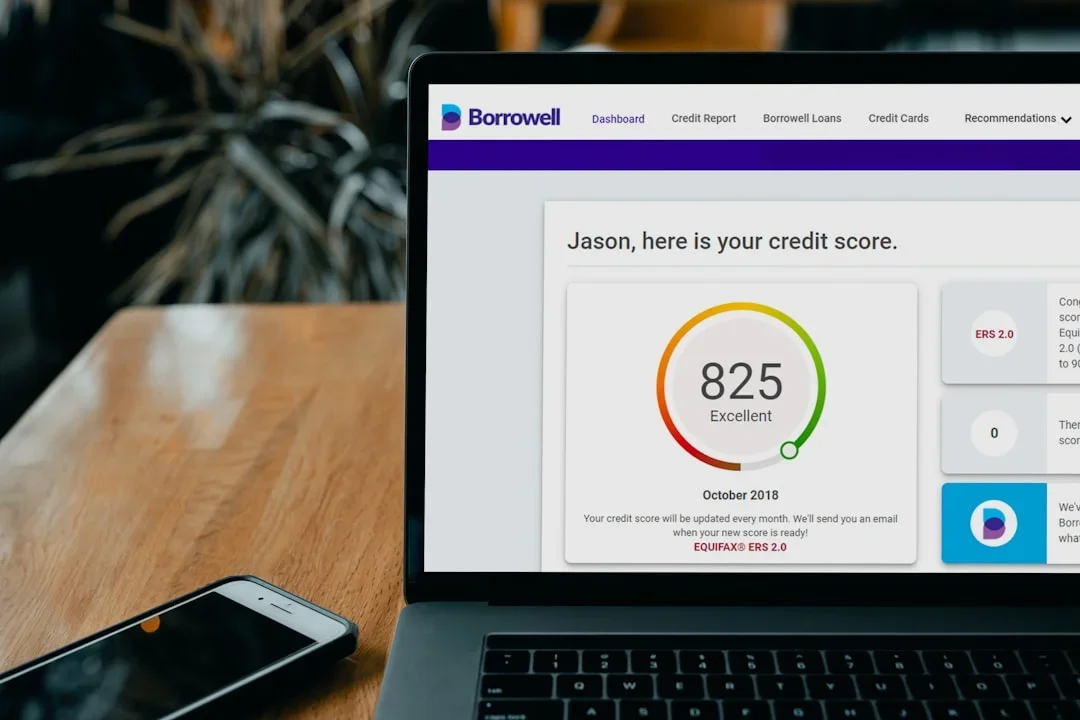
Understanding Credit Scores: The Foundation for Fast Improvement
Before diving into improvement strategies, understanding how credit scores work is crucial. Credit scores range from 300 to 850, with higher numbers indicating better creditworthiness.
FICO vs VantageScore Models
Two main scoring models dominate the credit industry. FICO scores are used by 90% of lenders and focus heavily on payment history and credit utilization. VantageScore, developed by the three major credit bureaus, places more emphasis on recent credit behavior.
Both models consider five key factors:
- Payment history (35% of FICO score): Your track record of on-time payments
- Credit utilization (30%): How much credit you're using versus available limits
- Length of credit history (15%): How long you've had credit accounts
- Credit mix (10%): Variety of credit types (cards, loans, mortgages)
- New credit inquiries (10%): Recent applications for credit
Why Some Factors Matter More
Payment history and credit utilization account for 65% of your FICO score. This means focusing on these two areas can deliver the fastest results. Even small improvements in utilization can boost your score by 20-50 points within a billing cycle.
Strategy #1: Pay Down Credit Card Balances Below 30%
Credit utilization is the fastest-changing factor in your credit score. This ratio compares your current balances to your total available credit limits.
The 30% Rule and Beyond
While keeping utilization below 30% is commonly advised, scoring models reward even lower ratios. Credit scores improve significantly when utilization drops below:
- 30%: Good improvement
- 10%: Better improvement
- 1-9%: Best improvement for high scores
Strategic Balance Paydown Approach
Don't spread payments equally across all cards. Instead, focus on cards with the highest utilization ratios first. If you have a card at 90% utilization and another at 20%, paying down the 90% card will have a much larger impact on your score.
Consider this example: Sarah had three cards with balances of $1,800 (90% utilization), $500 (25% utilization), and $200 (10% utilization). By paying $1,300 toward the first card, she dropped its utilization to 25%, boosting her overall score by 45 points in one month.
Individual vs Overall Utilization
Credit scoring considers both individual card utilization and overall utilization across all accounts. Ideally, keep individual cards below 30% and overall utilization below 10% for optimal scoring.

Strategy #2: Request Credit Limit Increases
Increasing your credit limits without adding new balances instantly improves your utilization ratio. This strategy works particularly well if you have steady income and a history of on-time payments.
Best Timing for Limit Increase Requests
Request increases after:
- 6-12 months of on-time payments with the issuer
- Income increases or job promotions
- Paying down significant balances
- Before major purchases that might increase utilization
How to Request Increases Effectively
Most card issuers allow online requests through their customer portals. Provide updated income information and emphasize your positive payment history. Many issuers offer automatic increases for good customers, so check if you're eligible before formally requesting.
Which Cards to Target First
Prioritize limit increases on cards with:
- Highest current balances
- Lowest current limits
- Best payment history
- Longest account history
A $2,000 increase on a card with a $1,500 balance (from $2,000 to $4,000 limit) drops utilization from 75% to 37.5%, potentially improving your score by 20-40 points.
Strategy #3: Become an Authorized User on Established Accounts
Becoming an authorized user on someone else's credit account can boost your score quickly, especially if you have limited credit history.
How Authorized User Status Works
When added as an authorized user, the account's payment history, age, and utilization often appear on your credit report. This "piggybacks" on the primary account holder's good credit habits.
Choosing the Right Account
Look for accounts with:
- Long payment history (5+ years preferred)
- Low utilization (under 10%)
- High credit limits
- No missed payments in the past two years
Family members are common choices, but some companies also facilitate authorized user partnerships for a fee.
Potential Risks to Consider
Authorized user status can hurt your credit if the primary account holder:
- Makes late payments after you're added
- Runs up high balances
- Closes the account suddenly
Discuss expectations upfront and consider setting up account alerts to monitor the account's status.
Strategy #4: Dispute Credit Report Errors Immediately
Credit report errors are surprisingly common, affecting one in four consumers according to FTC studies. Correcting these errors can provide immediate score improvements.
Obtaining Your Free Credit Reports
Federal law entitles you to one free credit report annually from each bureau through AnnualCreditReport.com. You can also access free reports weekly through 2023 due to pandemic provisions.
Common Errors to Look For
- Accounts that don't belong to you
- Incorrect payment histories
- Wrong account balances or credit limits
- Accounts showing as open when they're closed
- Duplicate accounts
- Incorrect personal information
Filing Effective Disputes
Submit disputes online through each credit bureau's website for fastest processing. Include:
- Specific account information
- Clear explanation of the error
- Supporting documentation
- Request for investigation and correction
Credit bureaus must investigate within 30 days and remove unverifiable information. Successful disputes can improve scores by 50-100 points or more.
Following Up on Disputes
If initial disputes are rejected, consider:
- Submitting additional documentation
- Disputing with the original creditor directly
- Filing complaints with the CFPB
- Working with a reputable credit repair company
Strategy #5: Use Credit Builder Tools and Secured Cards
If you're building credit from scratch or recovering from past issues, specialized credit-building products can accelerate your progress.
Secured Credit Cards
Secured cards require a security deposit that becomes your credit limit. They report to credit bureaus like traditional cards but are easier to qualify for.
Look for secured cards with:
- No annual fees
- Low security deposit requirements
- Graduation paths to unsecured cards
- Reporting to all three credit bureaus
Top options include Capital One Secured Mastercard and Discover it Secured, both offering cash back rewards and graduation opportunities.
Credit-Builder Loans
These small loans hold your borrowed money in a savings account while you make payments. Once paid off, you receive the money plus any interest earned.
Credit-builder loans help establish payment history and add credit mix diversity. They typically cost $100-200 in fees and interest but can boost scores by 20-40 points over 6-12 months.
Fintech Credit Building Apps
Services like Experian Boost, UltraFICO, and Self report alternative payment data like:
- Utility payments
- Streaming services
- Rent payments
- Bank account history
These services can provide immediate score boosts of 10-20 points for consumers with thin credit files.

Strategy #6: Optimize Payment Timing and Frequency
When you pay your credit cards matters almost as much as paying on time. Strategic payment timing can maximize your credit score improvements.
Understanding Statement vs Due Dates
Your statement date determines what balance gets reported to credit bureaus. Paying before the statement date can result in zero balance reporting, while paying after reports your full balance.
Multiple Payment Strategy
Making multiple payments per month keeps balances low throughout the billing cycle. This strategy works especially well for:
- High spenders who pay off balances monthly
- People rebuilding credit who want to show consistent payment activity
- Anyone trying to keep utilization under 10%
Optimal Payment Timing
For maximum impact:
- Pay most of your balance before the statement date
- Leave a small balance (1-3% of limit) to report
- Pay the remaining balance before the due date
This approach shows both credit usage and responsible repayment, optimizing your payment history and utilization factors simultaneously.
Autopay Considerations
Set up autopay for at least minimum payments to ensure you never miss a due date. Consider scheduling additional payments to optimize utilization reporting.
Timeline and Realistic Expectations for Credit Score Growth
Understanding realistic timelines helps set proper expectations and maintain motivation during your credit building journey.
30-Day Improvements
In the first month, you can expect:
- 10-20 point improvements from reduced utilization
- 20-50 point improvements from error corrections
- Immediate boosts from becoming an authorized user
- Beginning positive payment history establishment
3-Month Benchmarks
By three months of consistent effort:
- 30-60 point improvements are common
- Payment history starts showing consistent patterns
- Multiple strategies begin compounding
- Credit mix improvements become visible
6-Month Targets
After six months:
- 50-100 point improvements are achievable
- New accounts show maturity
- Payment history demonstrates reliability
- Utilization optimization shows full impact
Factors Affecting Speed
Your improvement speed depends on:
- Starting score (lower scores often improve faster)
- Number of errors corrected
- Consistency of new positive behaviors
- Mix of strategies implemented
- Overall credit profile complexity
Long-Term Maintenance
Once you've achieved your target score:
- Monitor credit reports monthly
- Maintain utilization below 10%
- Keep old accounts open for length of history
- Limit new credit applications
- Continue building diverse payment history

Building credit fast requires strategic action and patience. These seven proven strategies can significantly accelerate your progress, but remember that sustainable credit building is a marathon, not a sprint. Focus on developing good financial habits that will serve you well beyond just improving your credit score.
Disclaimer: This article is for informational purposes only and does not constitute financial advice. Consult with a qualified financial advisor before making significant changes to your credit management strategy. Credit improvement results may vary based on individual circumstances and starting credit profiles.
Frequently Asked Questions
How much can I raise my credit score in 30 days?
You can typically raise your credit score by 10-50 points in 30 days by paying down high balances, disputing errors, or becoming an authorized user on established accounts. The exact improvement depends on your starting score and which strategies you implement.
What is the fastest way to build credit from scratch?
The fastest way to build credit from scratch is becoming an authorized user on an established account while simultaneously opening a secured credit card. This combination provides immediate credit history and begins establishing your own payment track record.
How long does it take to build a 700 credit score?
Building a 700 credit score typically takes 6-12 months with consistent effort, depending on your starting point. Those starting with no credit history may reach 700 within 6-9 months using multiple strategies, while those recovering from negative marks may need 12-24 months.
Can paying off debt hurt my credit score?
Paying off credit card debt almost always helps your credit score by reducing utilization. However, paying off and closing old accounts can temporarily lower your score by reducing credit history length. Keep old accounts open after paying them off for optimal scoring.
What credit utilization ratio is best for building credit fast?
For building credit fast, keep overall utilization below 10% and individual card utilization below 30%. The sweet spot for maximum score improvement is 1-9% overall utilization, which demonstrates credit usage without appearing overextended to scoring algorithms.