
Good Friday 2026: Date, Traditions & Holiday Guide
Good Friday 2026 will be observed on April 3rd, marking one of the most significant days in the Christian calendar. This solemn holiday commemorates the crucifixion of Jesus Christ and plays a central role in Easter celebrations worldwide.
Understanding when and how Good Friday is observed helps millions of Christians and others plan for this important religious holiday. From church services to cultural traditions, Good Friday holds deep meaning across different denominations and countries.
When Is Good Friday 2026?
Good Friday 2026 falls on Friday, April 3rd. This date places it two days before Easter Sunday, which will be celebrated on April 5th, 2026.
The date of Good Friday changes each year because it's calculated based on the lunar calendar used to determine Easter. Easter falls on the first Sunday following the first full moon after the spring equinox (March 21st). Good Friday always occurs on the Friday immediately preceding Easter Sunday.
This calculation method, established at the Council of Nicaea in 325 AD, ensures that Good Friday and Easter maintain their connection to the Jewish Passover, during which the crucifixion historically occurred. The date can fall anywhere between March 20th and April 23rd in different years.
For 2026, the spring equinox occurs on March 20th, and the first full moon afterward falls in late March, leading to the April 3rd Good Friday date. This timing places the entire Holy Week in early April, making it a popular time for spring break celebrations and family gatherings.
The Religious Significance of Good Friday
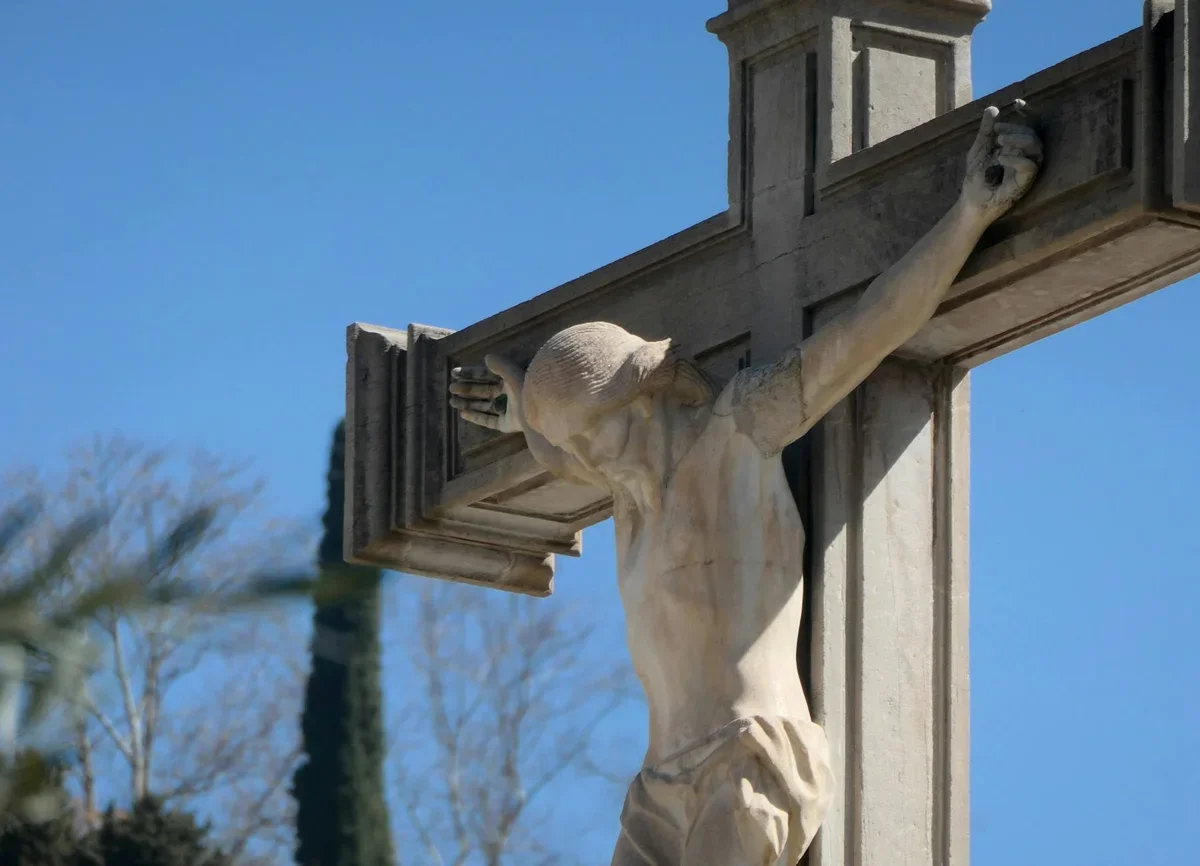
Good Friday commemorates the crucifixion and death of Jesus Christ at Calvary, as described in the Christian Gospels. According to Christian belief, Jesus willingly sacrificed himself to atone for humanity's sins, making salvation possible for all believers.
The day is called "Good" Friday not because the events were pleasant, but because Christians believe the crucifixion ultimately brought about the greatest good—redemption and eternal life. Some scholars suggest the name derives from "God's Friday" or "Holy Friday," which evolved linguistically over time.
Biblically, the crucifixion occurred during Passover week when Jesus was in Jerusalem. The Gospels describe how Jesus was arrested, tried, and sentenced to death by crucifixion—a common Roman execution method for criminals.
For Christians, this sacrifice represents the ultimate act of love and the fulfillment of Old Testament prophecies. The theological concept of atonement—Jesus taking on humanity's sins—forms the cornerstone of Christian salvation doctrine.
Different Christian denominations emphasize various aspects of Good Friday's significance. Catholics focus on the sacrificial nature of Christ's death, while Protestants often emphasize the personal relationship with Jesus that his sacrifice enables.
Good Friday Traditions Around the World
Good Friday observances vary significantly across cultures and countries, reflecting local customs blended with Christian traditions. These diverse practices showcase how different societies have interpreted and honored this sacred day.
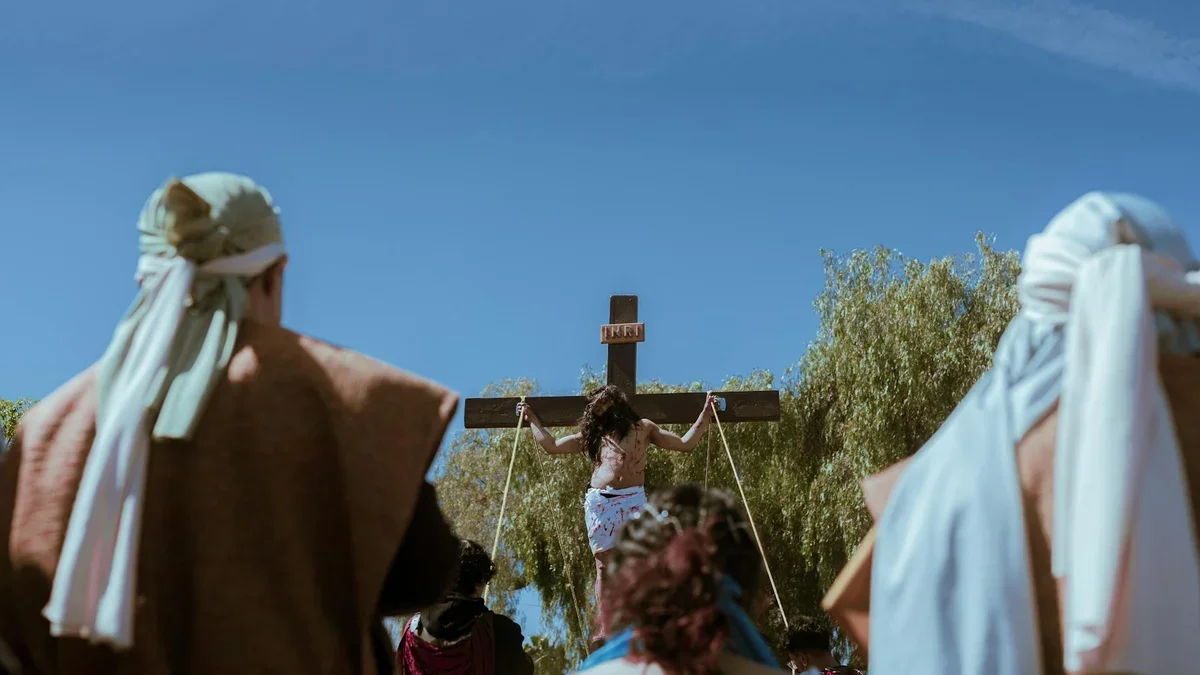
In the Philippines, some devotees participate in actual crucifixions, reenacting Jesus's suffering through extreme physical demonstrations. While not officially endorsed by the Catholic Church, these practices draw thousands of observers and participants annually.
Spain features elaborate processions during Holy Week, with participants carrying heavy floats depicting scenes from the Passion of Christ. Cities like Seville and Málaga host some of the world's most spectacular Good Friday processions, featuring ornate religious artwork and centuries-old traditions.
Orthodox Christian countries like Greece and Russia observe Good Friday with strict fasting and solemn church services. The Orthodox calendar sometimes places Good Friday on different dates than Western Christianity, depending on calendar calculations.
In Jerusalem, pilgrims from around the world walk the Via Dolorosa (Way of Sorrows), following the path Jesus allegedly took to his crucifixion. This pilgrimage route includes fourteen stations marking significant moments in the Passion narrative.
Latin American countries often feature passion plays, with entire communities participating in dramatic reenactments of Jesus's final days. These performances can last several hours and involve elaborate costumes and staging.
Northern European countries like Germany and Scandinavia focus more on quiet reflection and church attendance, with many businesses closing to honor the day's solemnity.
Good Friday Services and Observances
Church services on Good Friday typically feature unique liturgical elements not found during regular worship. These special observances help congregants reflect on the gravity and meaning of Christ's sacrifice.
The Stations of the Cross form a central Good Friday tradition in many churches. This devotional practice involves meditation on fourteen scenes from Jesus's path to crucifixion, often accompanied by prayers, hymns, and reflection.
Three Hours' Service runs from noon to 3 PM, marking the hours Jesus spent on the cross according to Gospel accounts. Participants listen to readings, sermons, and music focused on the "Seven Last Words" Jesus spoke while crucified.
Tenebrae services create a powerful atmosphere through gradually extinguished candles, symbolizing the darkness that fell over the earth during the crucifixion. The service often ends in complete darkness and silence.
Passion readings involve dramatic presentations of the crucifixion story, with different voices representing various characters. Many churches incorporate congregational responses, making the service highly participatory.
Veneration of the Cross allows worshippers to approach and kiss or touch a wooden cross, expressing personal devotion and gratitude for Christ's sacrifice. This practice is particularly common in Catholic and Orthodox traditions.
Protestant churches often focus on preaching and reflection, emphasizing the theological significance of the atonement rather than elaborate rituals.

Good Friday Fasting and Food Traditions
Fasting practices on Good Friday vary among Christian denominations but generally involve abstaining from meat and sometimes limiting overall food intake. These practices serve as physical reminders of Christ's suffering and sacrifice.
Catholic tradition requires adults to fast (eating only one full meal and two smaller meals) and abstain from meat on Good Friday. Fish is typically permitted, leading to traditional Good Friday fish dinners in many Catholic families.
Hot cross buns represent one of the most widespread Good Friday food traditions. These spiced sweet rolls marked with crosses symbolize the crucifixion and are enjoyed across many cultures with Christian heritage.
Orthodox Christians often observe stricter fasting, avoiding all animal products including dairy and eggs during Holy Week. This practice requires careful meal planning and often involves traditional plant-based recipes passed down through generations.
In parts of Europe, specific breads and pastries are prepared only during Holy Week. German "Karfreitagsbrot" (Good Friday bread) and Italian "pane di Pasqua" showcase regional interpretations of sacred food traditions.
Some families prepare "mourning meals" featuring simple, humble foods that reflect the day's solemn nature. Black beans, dark breads, and bitter herbs might be incorporated to symbolize sorrow and remembrance.
Modern interpretations of Good Friday fasting include giving up favorite foods, drinks, or luxuries for the day as acts of spiritual discipline and solidarity with Christ's suffering.
These dietary practices often extend into family traditions where specific recipes are prepared only on Good Friday, creating meaningful connections between food and faith.
Good Friday as a Public Holiday in 2026
Good Friday's status as a public holiday varies significantly by country and region, affecting business operations, government services, and travel plans for April 3rd, 2026.
Countries observing Good Friday as a national holiday include most European nations, Canada, Australia, New Zealand, and many countries with Christian heritage. Government offices, banks, and many businesses typically close for the day.
In the United States, Good Friday is not a federal holiday, meaning government offices remain open. However, many state governments, schools, and private businesses choose to close or offer reduced services.
Financial markets in many countries close on Good Friday, including major stock exchanges in London, Toronto, Sydney, and Frankfurt. The New York Stock Exchange and NASDAQ remain open, though trading volumes are typically lower.
Public transportation often operates on reduced schedules in countries observing the holiday. European train systems, city buses, and subways frequently run on Sunday or holiday timetables.
Retail and dining establishments vary widely in their Good Friday policies. While grocery stores and restaurants may remain open, many specialty shops and non-essential businesses close to honor the holiday.
Travel considerations for 2026 include potential airport delays due to increased holiday traffic and the proximity to Easter weekend. Booking accommodations and flights early is advisable for this period.
School closures are common in many regions, as Good Friday often falls during spring break periods or is specifically designated as a school holiday.
Planning for Easter Weekend 2026
Good Friday marks the beginning of the Easter weekend, requiring thoughtful planning for families and communities participating in religious and cultural celebrations.
Holy Week timeline leading to Easter includes Palm Sunday (March 29th), Maundy Thursday (April 2nd), Good Friday (April 3rd), and Easter Sunday (April 5th). Each day holds specific significance and may involve different activities or services.
Travel planning should account for increased traffic and accommodation demand during the Easter weekend. Many families travel to be together for Easter celebrations, making early booking essential for popular destinations.
Church service schedules often feature special events throughout Holy Week, including palm processions, foot washing ceremonies, and sunrise Easter services. Checking with local congregations helps ensure participation in desired activities.
Easter meal preparation traditionally begins on Good Friday with shopping and initial cooking preparations. Many families use the quiet nature of Good Friday for meal planning and early food preparation before Easter gatherings.
Children's activities during the long weekend often include egg decorating, Easter egg hunts, and family visits. Planning these activities around Good Friday's more solemn observances helps balance religious respect with family joy.
Work and school considerations include understanding local holiday policies and planning for potential closures or modified schedules. Some businesses close from Good Friday through Easter Monday, creating extended holiday periods.
International considerations for those traveling abroad include understanding different countries' Easter observance dates and customs, as Orthodox and Western Christianity sometimes celebrate on different weekends.
Successful Easter weekend planning balances respect for Good Friday's religious significance with the joy and celebration of Easter Sunday, creating meaningful experiences for all participants.
Conclusion
Good Friday 2026 on April 3rd represents a pivotal moment in the Christian calendar, combining solemn remembrance with hopeful anticipation of Easter's joy. Understanding its religious significance, global traditions, and practical implications helps both believers and others navigate this important cultural observance.
Whether participating in church services, observing fasting traditions, or simply respecting the holiday's significance, Good Friday offers opportunities for reflection, community connection, and spiritual growth. The diverse ways different cultures honor this day demonstrate Christianity's global reach and adaptability.
For those planning around Good Friday 2026, awareness of public holiday status, business closures, and travel considerations ensures smooth navigation of this significant weekend. The holiday's placement in early April provides excellent timing for spring celebrations and family gatherings.
This article is for informational purposes only. For specific religious observances and theological questions, consult qualified religious authorities or leaders from your faith tradition.
Frequently Asked Questions
What date is Good Friday 2026?
Good Friday 2026 falls on Friday, April 3rd. This date is determined by the lunar calendar calculation used for Easter, which places Easter Sunday on April 5th, 2026.
Why is Good Friday called 'Good' Friday?
Good Friday is called 'Good' because Christians believe Christ's crucifixion brought about the ultimate good—salvation and redemption for humanity. The name may also derive from 'God's Friday' or 'Holy Friday.'
Is Good Friday a federal holiday in the United States?
No, Good Friday is not a federal holiday in the United States. Government offices remain open, though many state governments, schools, and private businesses choose to close or offer reduced services.
What happens during Good Friday church services?
Good Friday services typically include Stations of the Cross, Three Hours' Service from noon to 3 PM, Passion readings, Tenebrae services with extinguished candles, and Veneration of the Cross ceremonies.
Do businesses close on Good Friday 2026?
Business closures vary by country and region. Many European, Canadian, and Australian businesses close as it's a national holiday. In the US, closure policies vary by company, though many offer reduced services.