
Best AI Coding Assistants 2026: Top 12 Tools Reviewed
The landscape of software development has transformed dramatically with the emergence of sophisticated best ai coding assistants 2026 offers to developers worldwide. These intelligent tools have become indispensable for programmers seeking to enhance productivity, reduce errors, and accelerate their development workflows. As we navigate through 2026, AI-powered coding assistance has evolved from simple code completion to comprehensive development companions that can understand context, suggest optimizations, and even debug complex issues.
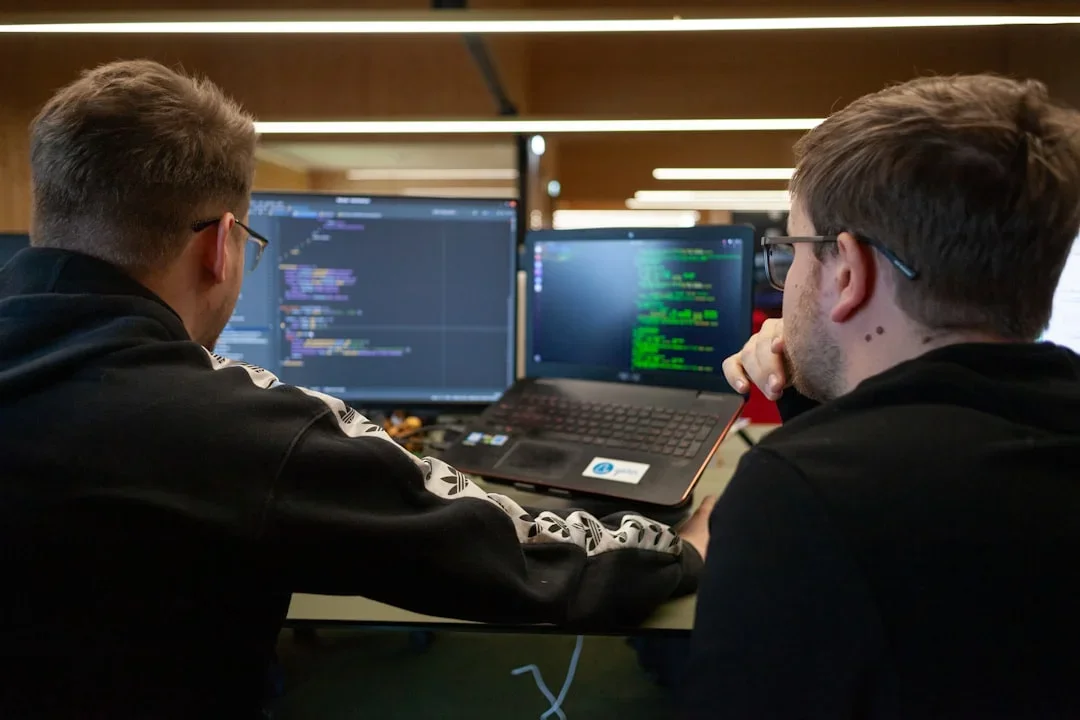
Modern AI coding assistants leverage advanced machine learning models trained on vast repositories of code to provide real-time assistance. They've become essential tools for developers at every skill level, from beginners learning their first programming language to seasoned professionals working on enterprise applications.
What Are AI Coding Assistants?
AI coding assistants are intelligent software tools that use artificial intelligence and machine learning to help developers write, debug, and optimize code more efficiently. These tools analyze your code context, understand programming patterns, and provide suggestions, completions, and solutions in real-time.
The technology behind these assistants has evolved significantly since their introduction. In 2026, they utilize advanced language models that can understand not just syntax but also the semantic meaning of code, enabling them to provide more contextually relevant suggestions.
How AI Coding Assistants Work
These tools operate by processing vast amounts of code from public repositories, documentation, and programming resources. When you type code, the AI analyzes your current context, including variables, functions, and project structure, to predict what you're likely to write next.
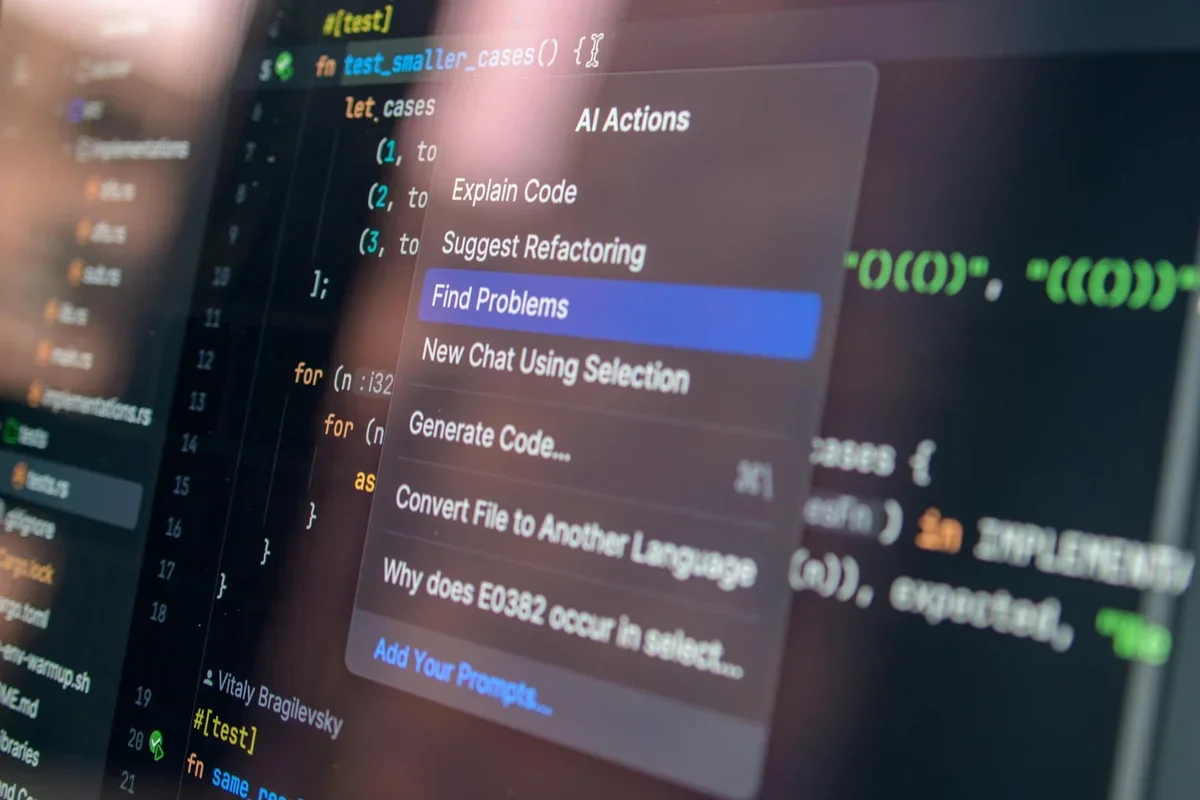
The most advanced assistants in 2026 can understand natural language comments and convert them into functional code. They can also explain existing code, suggest refactoring opportunities, and identify potential bugs before they become problems.
Evolution in 2026
This year has seen remarkable improvements in AI coding assistance technology. Modern tools now offer better context awareness, support for more programming languages, and enhanced integration with development environments. They've also become more collaborative, understanding team coding standards and project-specific conventions.

Top 12 Best AI Coding Assistants in 2026
After extensive testing and evaluation, here are the top AI coding assistants that stand out in 2026 for their features, performance, and value.
1. GitHub Copilot X (Rating: 9.5/10)
GitHub Copilot X leads the pack with its exceptional code generation capabilities and seamless integration with popular IDEs. Powered by GPT-4 technology, it offers contextually aware suggestions and can generate entire functions from simple comments.
Key Features:
- Advanced code completion and generation
- Multi-language support (50+ languages)
- IDE integration with VS Code, JetBrains, and more
- Chat interface for code explanations
- Pull request summaries and code reviews
Pricing: $10/month for individuals, $19/month for businesses
2. Amazon CodeWhisperer Pro (Rating: 9.2/10)
Amazon's enhanced CodeWhisperer Pro offers enterprise-grade features with excellent security scanning and compliance monitoring. It excels in AWS-related development and provides robust code suggestions across multiple languages.
Key Features:
- Real-time code suggestions
- Security vulnerability scanning
- Reference tracking and citation
- AWS service integration
- Custom model training for enterprises
Pricing: Free tier available, Pro starts at $19/month per user
3. Tabnine Enterprise (Rating: 9.0/10)
Tabnine stands out for its privacy-focused approach and ability to train on private codebases. It offers both cloud-based and on-premise deployment options, making it ideal for security-conscious organizations.
Key Features:
- On-premise deployment options
- Custom model training on private code
- Whole-line and function completion
- Team learning and adaptation
- Comprehensive language support
Pricing: Free tier available, Pro at $12/month, Enterprise custom pricing
4. Replit Ghostwriter (Rating: 8.8/10)
Replit's Ghostwriter excels in collaborative coding environments and educational settings. It provides excellent beginner support with explanations and learning resources integrated directly into the coding experience.
Key Features:
- Real-time collaborative coding
- Code explanation and documentation
- Multiple programming language support
- Integrated development environment
- Educational resources and tutorials
Pricing: Free tier available, Core at $7/month
5. Claude Dev (Rating: 8.7/10)
Claude Dev, powered by Anthropic's Claude model, offers exceptional code analysis and debugging capabilities. It excels at understanding complex codebases and providing detailed explanations of code functionality.
Key Features:
- Advanced code analysis and debugging
- Natural language code explanations
- Refactoring suggestions
- Architecture recommendations
- Documentation generation
Pricing: $20/month for professional use
6. Sourcegraph Cody (Rating: 8.5/10)
Sourcegraph Cody combines code search with AI assistance, making it excellent for navigating large codebases. It provides context-aware suggestions based on your entire repository.
Key Features:
- Codebase-aware completions
- Intelligent code search
- Repository context understanding
- Multi-repository support
- Enterprise security features
Pricing: Free tier available, Pro at $9/month
7. JetBrains AI Assistant (Rating: 8.4/10)
Integrated directly into JetBrains IDEs, this assistant provides seamless workflow integration for developers already using IntelliJ IDEA, PyCharm, or other JetBrains products.
Key Features:
- Native IDE integration
- Context-aware suggestions
- Refactoring assistance
- Test generation
- Code documentation
Pricing: Included with JetBrains All Products Pack subscription
8. CodeT5+ (Rating: 8.2/10)
CodeT5+ offers open-source flexibility with strong performance in code generation and understanding tasks. It's particularly valuable for organizations wanting to customize their AI assistant.
Key Features:
- Open-source availability
- Customizable and fine-tunable
- Multi-task code intelligence
- Strong performance on code benchmarks
- Community-driven development
Pricing: Free (open-source)
9. Cursor AI (Rating: 8.1/10)
Cursor AI provides a unique editor experience with built-in AI capabilities. It's designed specifically for AI-assisted coding and offers intuitive natural language interactions.
Key Features:
- AI-first editor design
- Natural language editing
- Codebase chat functionality
- Fast performance
- Privacy-focused features
Pricing: Free tier available, Pro at $20/month
10. CodeGeeX2 (Rating: 8.0/10)
CodeGeeX2 offers strong multilingual support and is particularly effective for international development teams. It provides good performance across various programming languages and frameworks.
Key Features:
- Multilingual code generation
- Cross-language translation
- IDE plugins available
- Open-source model
- Strong non-English language support
Pricing: Free with limitations, Commercial licensing available
11. Mintlify Writer (Rating: 7.8/10)
Specialized in documentation generation, Mintlify Writer excels at creating clear, comprehensive documentation from code comments and function signatures.
Key Features:
- Automatic documentation generation
- Multiple output formats
- Integration with documentation platforms
- Code comment enhancement
- API documentation support
Pricing: Free tier available, Pro at $15/month
12. Safurai (Rating: 7.6/10)
Safurai offers a balanced approach to AI coding assistance with focus on code quality and best practices. It's particularly strong in enterprise environments requiring compliance and code standards.
Key Features:
- Code quality analysis
- Best practice suggestions
- Team collaboration features
- Custom rule enforcement
- Integration with CI/CD pipelines
Pricing: Free tier available, Team plans start at $10/month per user
Key Features to Look for in AI Coding Assistants
When selecting an AI coding assistant, certain features can make the difference between a helpful tool and an indispensable development companion. Understanding these key capabilities will help you choose the right assistant for your specific needs.
Code Completion and Generation
The foundation of any good AI coding assistant is its ability to complete code accurately and contextually. Look for tools that can generate not just single lines but entire functions and classes based on comments or partial implementations.
Advanced assistants in 2026 can understand your coding style and adapt their suggestions accordingly. They should provide multiple completion options and learn from your preferences over time.
Intelligent Debugging Support
Modern AI assistants go beyond simple syntax checking to provide intelligent debugging support. They can identify logical errors, suggest fixes for runtime issues, and even predict potential problems before they occur.
The best tools can explain why an error occurred and provide step-by-step solutions. They should also integrate with your existing debugging workflow and provide insights into performance bottlenecks.
Documentation and Code Explanation
A valuable AI coding assistant should help with documentation tasks, automatically generating comments, README files, and API documentation from your code. It should also be able to explain existing code in natural language.
This feature is particularly valuable when working with legacy code or when onboarding new team members. The assistant should provide clear, accurate explanations that match your documentation standards.
Multi-Language and Framework Support
In today's diverse development landscape, your AI assistant should support multiple programming languages and frameworks. Look for tools that understand the nuances of different languages and can provide appropriate suggestions for each.
The best assistants in 2026 support 30+ programming languages and understand popular frameworks like React, Django, Spring Boot, and others. They should adapt their suggestions based on the specific technology stack you're using.
Integration Capabilities
Seamless integration with your existing development tools is crucial for productivity. Your AI assistant should work with your preferred IDE, version control system, and deployment pipeline without friction.
Look for assistants that offer plugins for popular IDEs like VS Code, IntelliJ IDEA, and Sublime Text. They should also integrate with collaboration tools like Slack and project management platforms.
AI Coding Assistants by Programming Language
Different AI coding assistants excel with specific programming languages. Here's a breakdown of the best tools for popular languages in 2026.
Python Development
For Python developers, GitHub Copilot X and Tabnine Enterprise lead the pack with excellent library support and framework-specific suggestions. They understand popular Python frameworks like Django, Flask, and FastAPI.
Replit Ghostwriter is particularly strong for Python beginners, offering educational explanations and best practice suggestions. For data science work, Amazon CodeWhisperer Pro provides excellent support for pandas, numpy, and scikit-learn.
JavaScript and TypeScript
JavaScript development benefits most from GitHub Copilot X and Sourcegraph Cody, which understand modern JavaScript patterns and React/Vue/Angular frameworks. Cursor AI also provides excellent support for frontend development workflows.
For TypeScript specifically, JetBrains AI Assistant offers superior type inference and completion suggestions, especially when working in WebStorm or IntelliJ IDEA.
Java Enterprise Development
Amazon CodeWhisperer Pro excels in Java development, particularly for enterprise applications using Spring Boot and microservices architectures. JetBrains AI Assistant provides excellent integration with IntelliJ IDEA for Java development.
Tabnine Enterprise offers strong Java support with the ability to learn from your organization's coding patterns and standards.
C++ and Systems Programming
For C++ development, GitHub Copilot X and CodeT5+ provide the best support, understanding memory management patterns and modern C++ features. Tabnine Enterprise also offers solid C++ support with custom model training capabilities.
These tools understand complex C++ concepts like RAII, smart pointers, and template metaprogramming, making them valuable for systems programming tasks.
Mobile Development
For iOS development in Swift, GitHub Copilot X provides excellent support for iOS frameworks and design patterns. Android developers working in Kotlin will find JetBrains AI Assistant particularly helpful due to its native integration with Android Studio.
Cross-platform development with Flutter benefits from Amazon CodeWhisperer Pro and Replit Ghostwriter, both offering strong Dart language support.

Free vs Paid AI Coding Tools: Which Should You Choose?
The decision between free and paid AI coding assistants depends on your specific needs, team size, and budget constraints. Let's examine the trade-offs to help you make an informed choice.
Free Options Analysis
Several excellent free AI coding assistants are available in 2026, including CodeT5+ (open-source), Amazon CodeWhisperer (free tier), and Replit Ghostwriter (limited free version).
Free tools typically offer basic code completion and suggestions but may have limitations in terms of API calls, advanced features, or commercial use restrictions. They're excellent for individual developers, students, and small projects.
The main advantages of free tools include no financial commitment, ability to test multiple options, and sufficient features for basic coding assistance. However, they often lack enterprise features, priority support, and advanced customization options.
Premium Features Worth Paying For
Paid AI coding assistants offer significant advantages that can justify their cost for professional developers and teams. These include advanced debugging capabilities, custom model training, priority support, and enhanced security features.
GitHub Copilot X at $10/month provides exceptional value with its advanced GPT-4 powered suggestions, chat interface, and comprehensive IDE integration. For teams, the collaboration features and code review assistance can significantly improve productivity.
Tabnine Enterprise offers unique value for organizations requiring on-premise deployment and custom model training. The ability to train on private codebases can dramatically improve suggestion quality for domain-specific code.
ROI Analysis for Development Teams
For professional development teams, the ROI of paid AI coding assistants is typically positive within the first month. Consider a developer earning $100,000 annually (roughly $50/hour) - if an AI assistant saves just 30 minutes per day, it provides $25 in value daily.
With monthly costs ranging from $10-20 per developer, most teams see 5-10x ROI from productivity improvements, reduced debugging time, and faster feature development. The time saved on documentation and code reviews adds additional value.
Larger teams also benefit from standardized coding practices, reduced onboarding time for new developers, and improved code quality through AI-powered reviews and suggestions.
Budget Recommendations
Individual Developers: Start with free options like Amazon CodeWhisperer or CodeT5+ to understand the value proposition. Upgrade to GitHub Copilot X ($10/month) once you see productivity benefits.
Small Teams (2-5 developers): GitHub Copilot X or Sourcegraph Cody provide excellent value. Budget $50-100/month for team licenses.
Medium Teams (6-20 developers): Consider Tabnine Pro or Amazon CodeWhisperer Pro with team features. Budget $150-400/month depending on chosen platform.
Enterprise Teams (20+ developers): Tabnine Enterprise or custom GitHub Copilot business plans offer the best value with advanced security and customization. Budget $500-2000/month depending on team size.

How to Choose the Right AI Coding Assistant
Selecting the ideal AI coding assistant requires careful consideration of your specific requirements, team dynamics, and long-term development goals. Here's a comprehensive framework to guide your decision.
Assessing Your Development Needs
Begin by evaluating your primary programming languages, frameworks, and development workflows. If you primarily work with Python and data science libraries, prioritize assistants with strong scientific computing support like Amazon CodeWhisperer Pro.
For full-stack web development, focus on tools with excellent JavaScript/TypeScript support like GitHub Copilot X or Cursor AI. Enterprise Java developers should consider JetBrains AI Assistant or Tabnine Enterprise for their superior framework integration.
Consider your team's experience level as well. Beginner-friendly tools like Replit Ghostwriter provide educational value, while advanced developers might prefer the sophisticated capabilities of Claude Dev or Sourcegraph Cody.
Team Size and Collaboration Requirements
Solo developers have different needs than large development teams. Individual developers can focus purely on coding productivity and feature completeness, while teams need collaboration features, code consistency, and shared learning capabilities.
For teams of 2-5 developers, look for assistants that offer shared configurations and team learning features. Medium-sized teams (6-20 developers) benefit from tools with code review integration and standardization features.
Large enterprise teams require advanced features like custom model training, on-premise deployment options, and integration with existing development infrastructure.
Security and Privacy Considerations
Security requirements vary significantly based on your organization and the sensitivity of your codebase. Open-source projects and personal developers may be comfortable with cloud-based assistants, while enterprises handling proprietary code need stricter controls.
High-Security Options: Tabnine Enterprise (on-premise), CodeT5+ (self-hosted), and GitHub Copilot Business (with enhanced security features) offer the best privacy protection.
Moderate Security: Amazon CodeWhisperer Pro and Sourcegraph Cody provide good security features while maintaining cloud benefits.
Standard Security: GitHub Copilot X and Cursor AI are suitable for most commercial development with standard security requirements.
Budget and Value Optimization
Create a realistic budget based on your team size and expected productivity gains. Factor in not just the subscription costs but also implementation time, training, and potential integration expenses.
Many organizations find success with a phased approach: start with a small pilot group using a premium assistant, measure productivity improvements, then scale based on demonstrated ROI.
Consider the total cost of ownership, including potential reduced debugging time, faster feature development, and improved code quality. The most expensive option isn't always the best value for your specific needs.
Integration with Existing Workflows
Evaluate how well each assistant integrates with your current development environment. If your team is heavily invested in JetBrains IDEs, the native JetBrains AI Assistant might provide better integration than external tools.
For VS Code-centric teams, GitHub Copilot X offers the most seamless experience. Consider your version control system, CI/CD pipeline, and project management tools when making your selection.
Test the assistant's ability to understand your existing codebase, coding standards, and project structure. Some tools adapt better to specific architectural patterns or coding conventions.
Getting Started with AI Coding Assistants
Once you've selected your AI coding assistant, proper setup and optimization are crucial for maximizing its benefits. Follow these proven strategies to get the most value from your chosen tool.
Initial Setup and Configuration
Begin with a clean installation following the official setup guides for your chosen assistant. Most tools require IDE plugins or extensions, so ensure you're installing the latest versions compatible with your development environment.
Configure the assistant according to your coding preferences and style guidelines. Many tools allow customization of suggestion frequency, completion triggers, and language-specific settings. Take time to explore these options during your initial setup.
For team environments, establish consistent configuration standards to ensure all developers receive similar assistance quality. Document your configuration choices and share them with new team members.
Best Practices for Maximum Productivity
Write Clear Comments: AI assistants excel when given context through well-written comments. Describe your intentions before implementing complex logic, and the assistant will provide more relevant suggestions.
Use Descriptive Variable Names: Clear, descriptive naming helps the AI understand your code's purpose and provide better completions. Avoid abbreviated or cryptic variable names when possible.
Review Suggestions Carefully: While AI suggestions are often helpful, always review them for correctness, security implications, and adherence to your coding standards. Don't accept suggestions blindly.
Iterate and Refine: Use the assistant's suggestions as starting points rather than final solutions. Refine and optimize the generated code to match your specific requirements and performance needs.
Leverage Natural Language: Many modern assistants understand natural language descriptions. Try describing what you want to accomplish in a comment, then let the AI generate the implementation.
Common Pitfalls to Avoid
Over-Reliance: Don't become dependent on AI assistance for basic coding tasks. Maintain and develop your fundamental programming skills alongside AI tool usage.
Ignoring Security: AI-generated code may contain security vulnerabilities. Always review suggestions with security implications, especially for authentication, data handling, and external API interactions.
Skipping Testing: AI suggestions aren't always correct. Maintain rigorous testing practices and don't assume generated code works perfectly without verification.
Inconsistent Patterns: Ensure AI suggestions align with your project's architectural patterns and coding conventions. Reject suggestions that introduce inconsistency.
Training Your Team
Develop a training program for your team to ensure everyone can effectively use the chosen AI assistant. Include hands-on workshops, best practice sharing sessions, and regular feedback collection.
Create internal documentation specific to your organization's use cases and coding standards. Share examples of effective prompts, useful shortcuts, and integration techniques.
Establish mentorship programs where experienced AI assistant users help newer team members. This peer-to-peer learning approach often produces better results than formal training alone.
Measuring Success and ROI
Track key metrics to measure the impact of your AI coding assistant implementation:
Productivity Metrics: Lines of code written per hour, feature completion time, and debugging time reduction.
Quality Metrics: Bug reduction rates, code review feedback volume, and automated test coverage improvements.
Developer Satisfaction: Regular surveys about tool effectiveness, workflow improvement, and overall satisfaction.
Business Impact: Faster time-to-market, reduced development costs, and improved project predictability.
Regularly review these metrics and adjust your AI assistant usage patterns based on the data. Share success stories and lessons learned with your broader organization.
Future of AI Coding Assistance
The landscape of AI coding assistance continues to evolve rapidly, with exciting developments on the horizon that will reshape how developers work. Understanding these trends helps you make informed decisions about current tool adoption and future planning.
Emerging Trends in 2026 and Beyond
AI coding assistants are becoming more sophisticated in understanding entire project contexts rather than just individual files or functions. Future tools will comprehend complex software architectures, design patterns, and business logic across entire codebases.
Natural language programming is advancing significantly, allowing developers to describe features in plain English and receive complete, production-ready implementations. This trend will make programming more accessible to non-technical stakeholders and domain experts.
Collaborative AI development is emerging, where multiple AI assistants work together on different aspects of a project - one focusing on frontend code, another on backend logic, and a third on testing and documentation.
Advanced Code Understanding
Future AI assistants will possess deeper semantic understanding of code, going beyond syntax to comprehend business logic, user intent, and system behavior. They'll be able to suggest architectural improvements, identify performance bottlenecks, and recommend refactoring opportunities.
These tools will understand the relationships between different parts of large systems, suggesting changes that maintain consistency across microservices, databases, and APIs. They'll also provide insights into code maintainability and technical debt.
Integration with Development Lifecycle
AI coding assistants are evolving beyond code generation to become integral parts of the entire software development lifecycle. Future tools will integrate with project management systems, automatically updating task progress and providing development estimates.
They'll also enhance code review processes by automatically identifying potential issues, suggesting improvements, and even generating comprehensive review comments. Integration with CI/CD pipelines will enable automated code optimization and deployment recommendations.
Democratization of Software Development
AI assistants are making programming more accessible to people with limited technical backgrounds. Future developments will continue this trend, enabling business analysts, designers, and domain experts to contribute directly to software development.
This democratization will lead to new collaboration models where technical and non-technical team members work together more seamlessly, with AI bridging the communication gap between different skill sets.
Predictions for 2027 and Beyond
By 2027, we expect to see AI assistants that can:
Generate Complete Applications: From high-level specifications to fully functional applications with proper testing, documentation, and deployment configurations.
Understand Business Context: AI tools will comprehend business requirements and translate them directly into technical implementations without extensive human intervention.
Provide Real-Time Performance Optimization: Continuous monitoring and optimization suggestions based on actual usage patterns and performance data.
Enable Voice-Driven Development: Natural language voice interfaces for coding, allowing developers to describe implementations verbally while focusing on problem-solving.
Offer Predictive Development: AI assistants will predict future development needs, suggest proactive improvements, and identify potential issues before they impact users.
These advances will transform software development from primarily a technical craft to a more collaborative, creative process where AI handles routine implementation tasks while humans focus on innovation and problem-solving.
The key to success in this evolving landscape is staying adaptable, continuously learning, and maintaining a balance between leveraging AI capabilities and developing fundamental programming skills.
Conclusion
The best ai coding assistants 2026 offers represent a significant leap forward in developer productivity and code quality. From GitHub Copilot X's advanced code generation to Tabnine Enterprise's privacy-focused approach, each tool brings unique strengths to different development scenarios.
Choosing the right AI coding assistant depends on your specific needs: programming languages, team size, security requirements, and budget constraints. Individual developers might find excellent value in GitHub Copilot X or Amazon CodeWhisperer, while enterprises may prefer Tabnine Enterprise or custom solutions.
The key to success lies in thoughtful implementation, proper training, and maintaining a balance between AI assistance and fundamental programming skills. As these tools continue to evolve, they'll become even more integral to the software development process, making this an excellent time to begin or enhance your AI coding assistant adoption.
Remember that AI coding assistants are powerful tools designed to augment human creativity and problem-solving abilities, not replace them. The most successful developers will be those who learn to collaborate effectively with AI while continuing to grow their technical expertise and understanding of software development principles.
Frequently Asked Questions
Which AI coding assistant is best for beginners in 2026?
Replit Ghostwriter is ideal for beginners due to its educational focus, code explanations, and integrated learning resources. It provides clear explanations of suggested code and helps new developers understand programming concepts while coding.
Are AI coding assistants worth the cost for small development teams?
Yes, most small teams see positive ROI within the first month. With costs around $10-20 per developer monthly and productivity gains of 20-40%, the time savings in coding, debugging, and documentation typically justify the investment quickly.
Can AI coding assistants work with all programming languages?
Most modern AI coding assistants support 20-50+ programming languages, including popular ones like Python, JavaScript, Java, and C++. However, support quality varies by language, with more popular languages receiving better assistance than niche ones.
How secure are AI coding assistants with proprietary code?
Security varies by tool. Enterprise options like Tabnine Enterprise offer on-premise deployment and don't share code externally. Cloud-based assistants may process code on external servers, so review privacy policies and choose tools meeting your security requirements.
Do AI coding assistants replace the need for learning to code?
No, AI assistants augment rather than replace programming skills. They handle routine tasks and provide suggestions, but developers still need to understand code logic, debug issues, make architectural decisions, and ensure code quality and security.