
Best Password Manager 2026: Top 11 Secure Apps Reviewed
Cybersecurity threats are evolving rapidly, making the best password manager 2026 more critical than ever for protecting your digital identity. With data breaches affecting billions of accounts annually and AI-powered attacks becoming increasingly sophisticated, relying on simple passwords or browser storage is no longer sufficient.
The password management landscape has transformed dramatically, with new features like AI-powered threat detection, advanced biometric authentication, and quantum-resistant encryption becoming standard. This comprehensive review examines the top 11 password managers available in 2026, helping you choose the perfect solution for your security needs.
Why You Need a Password Manager in 2026
Cybercriminals are more sophisticated than ever, with over 15 billion credentials exposed in data breaches during 2025 alone. Traditional password practices like using the same password across multiple sites or storing passwords in browsers leave you vulnerable to devastating attacks.
The average person manages 147 online accounts, making it impossible to remember unique, complex passwords for each service. Recent studies show that 65% of people reuse passwords across multiple accounts, creating a domino effect when one service gets breached.
Emerging Threats Require Advanced Protection
AI-powered brute force attacks can now crack simple passwords in minutes rather than hours. Quantum computing threats, while still emerging, are already influencing security standards. Modern password managers respond to these challenges with quantum-resistant encryption and advanced threat monitoring.
Social engineering attacks have become more personalized, using data from previous breaches to craft convincing phishing attempts. A robust password manager protects against these attacks by auto-filling credentials only on legitimate websites and alerting you to suspicious activity.
Beyond Password Storage
Today's password managers offer comprehensive digital identity protection including secure notes storage, credit card information encryption, and two-factor authentication management. Many now include dark web monitoring, breach alerts, and identity theft protection as standard features.
Top 11 Best Password Managers 2026
After extensive testing and security analysis, we've identified the top password managers that excel in different categories. Our evaluation considered security architecture, feature sets, usability, pricing, and customer support quality.
Premium Password Managers
1. 1Password 1Password continues leading the premium market with its intuitive interface and robust security features. Their Secret Key technology adds an extra security layer beyond master passwords, while Watchtower monitors for compromised passwords and security vulnerabilities.
Key features include unlimited password storage, secure document storage, travel mode for border crossings, and advanced family sharing options. The 2026 update introduced AI-powered password strength analysis and enhanced biometric authentication.
2. Bitwarden Bitwarden stands out for its open-source transparency and excellent value proposition. Their freemium model offers generous features, while premium plans provide advanced capabilities like encrypted file attachments and priority customer support.
The platform excels in cross-platform compatibility and self-hosting options for privacy-conscious users. Recent updates include improved auto-fill accuracy and enhanced breach monitoring capabilities.
3. Dashlane Dashlane combines password management with comprehensive identity protection services. Their VPN integration, dark web monitoring, and identity theft insurance create a complete security ecosystem for users.
The password changer feature automatically updates passwords on supported sites, while the security dashboard provides clear insights into your overall security posture. Family plans include individual vaults with shared emergency access.
4. Keeper Keeper focuses on enterprise-grade security with zero-knowledge architecture and advanced encryption protocols. Their BreachWatch feature monitors the dark web for compromised credentials, while KeeperChat provides secure messaging capabilities.
The platform offers robust admin controls for business users and seamless integration with popular productivity tools. Recent enhancements include improved mobile biometric authentication and enhanced password sharing features.
5. NordPass NordPass leverages Nord Security's expertise in cybersecurity to deliver a streamlined password management experience. Their XChaCha20 encryption and zero-knowledge policy ensure maximum privacy protection.
Data Breach Scanner monitors for compromised accounts, while the intuitive interface makes password management accessible for non-technical users. Family plans include priority support and advanced sharing features.
Best Free Password Managers
6. Bitwarden (Free) Bitwarden's free tier offers unlimited password storage across unlimited devices, making it the most generous free option available. Users get secure notes, basic two-factor authentication, and reliable cross-platform sync.
Limitations include restricted secure file attachments and basic customer support. However, the core password management functionality rivals many premium competitors, making it ideal for budget-conscious users.
7. Google Password Manager Integrated directly into Chrome and Android devices, Google Password Manager provides seamless password management for users deeply embedded in Google's ecosystem. The service automatically generates and stores strong passwords while syncing across all Google-connected devices.
Recent improvements include enhanced breach notifications and better password sharing capabilities. However, the lack of independent security audits and limited cross-platform support may concern privacy-focused users.
8. iCloud Keychain Apple's native solution excels within the Apple ecosystem, offering tight integration with iOS, macOS, and Safari. The service includes automatic password generation, breach monitoring, and secure sharing between trusted devices.
While limited to Apple devices, iCloud Keychain provides excellent security with end-to-end encryption and seamless biometric authentication. The recent addition of two-factor authentication code storage enhances its utility.
Enterprise Solutions
9. CyberArk CyberArk dominates the enterprise password management space with privileged access management and advanced threat analytics. Their solution provides comprehensive audit trails, automated password rotation, and integration with existing enterprise security infrastructure.
The platform excels in compliance reporting and risk assessment, making it ideal for heavily regulated industries. Advanced features include session recording, just-in-time access provisioning, and AI-powered anomaly detection.
10. Okta Okta's identity and access management platform includes robust password management capabilities alongside single sign-on and multi-factor authentication. Their solution streamlines user access while maintaining strong security controls.
Advanced features include adaptive authentication, API access management, and comprehensive directory integration. The platform's scalability and extensive app catalog make it suitable for organizations of all sizes.
11. Microsoft Authenticator Microsoft's solution integrates seamlessly with Azure Active Directory and Office 365 environments. The app combines password management with multi-factor authentication and conditional access policies.
Recent updates include enhanced biometric authentication, improved credential sync, and better integration with third-party applications. While primarily designed for Microsoft ecosystems, it offers solid security features and enterprise-grade compliance.
Essential Features to Look for in 2026
Modern password managers must address evolving security challenges while maintaining user-friendly experiences. Key features to prioritize include advanced encryption, cross-platform compatibility, and intelligent threat detection.
AI-Powered Security Enhancement
Artificial intelligence now plays a crucial role in password security, analyzing patterns to detect suspicious activities and suggesting optimal security practices. Look for managers that use AI for breach prediction, password strength analysis, and personalized security recommendations.
Machine learning algorithms can identify phishing attempts by analyzing website characteristics and warning users before entering credentials on suspicious sites. This proactive approach significantly reduces successful phishing attacks.
Advanced Biometric Authentication
Biometric authentication has evolved beyond simple fingerprint scanning to include facial recognition, voice patterns, and behavioral biometrics. The best password managers support multiple biometric methods while maintaining privacy through local processing.
Behavioral biometrics analyze typing patterns, device usage habits, and interaction behaviors to create unique user profiles. This invisible security layer detects unauthorized access attempts even when credentials are compromised.
Zero-Trust Architecture
Zero-trust security models assume no user or device is inherently trustworthy, requiring continuous verification. Modern password managers implement zero-trust principles through device fingerprinting, location analysis, and risk-based authentication.
This approach provides granular access controls, allowing administrators to define specific policies for different user groups, devices, and access scenarios. Users benefit from enhanced security without sacrificing convenience.
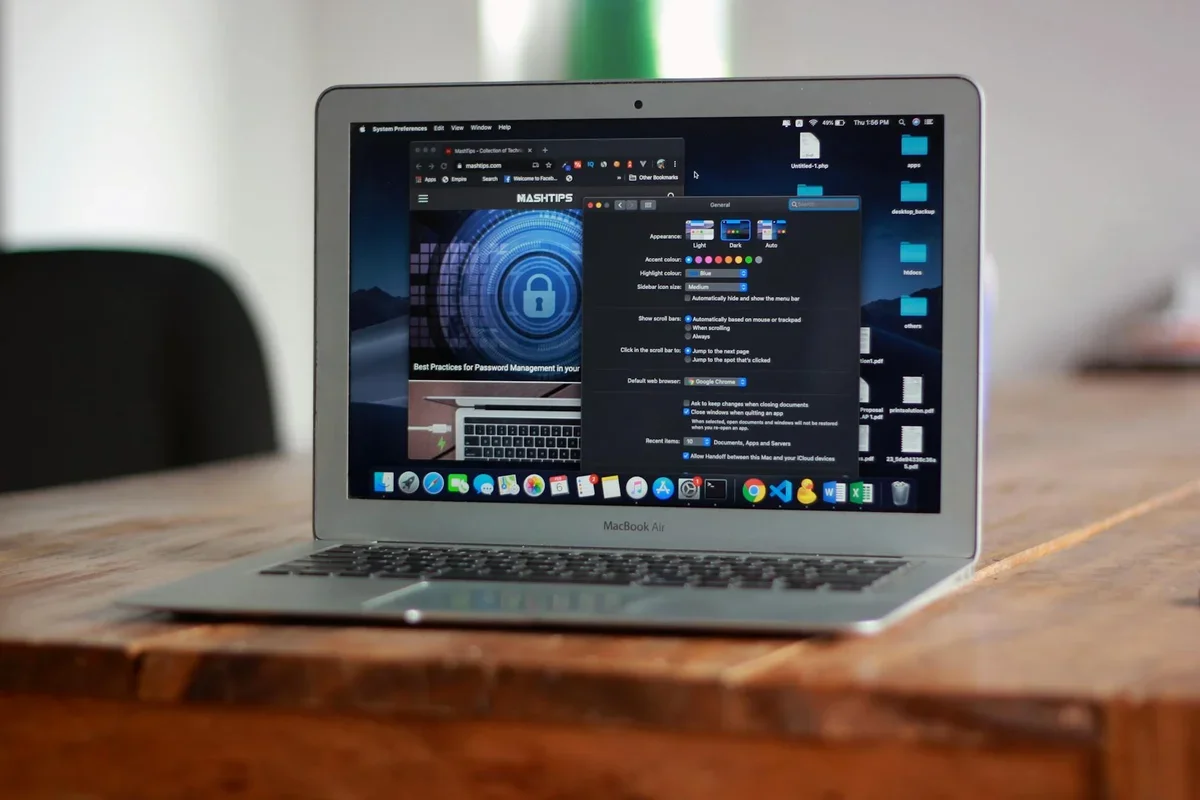
Security Comparison: Encryption & Zero-Knowledge Architecture
Security architecture forms the foundation of any reliable password manager. Understanding encryption standards, storage practices, and privacy policies helps you make informed decisions about protecting your sensitive data.
Encryption Standards and Protocols
All reputable password managers use AES-256 encryption, considered unbreakable by current computing standards. However, implementation details vary significantly between providers, affecting overall security effectiveness.
Zero-knowledge architecture ensures that service providers cannot access your encrypted data, even if compelled by legal authorities. Your master password serves as the sole decryption key, making it impossible for companies to recover your data if forgotten.
Some providers implement additional security layers like Secret Key technology (1Password) or Secure Remote Password protocol (Bitwarden) to enhance protection against server-side attacks.
Privacy Policy Analysis
Transparent privacy policies indicate trustworthy password managers committed to user protection. Examine data collection practices, third-party sharing policies, and jurisdiction considerations when evaluating options.
Open-source solutions like Bitwarden offer maximum transparency by allowing independent security researchers to audit their code. Regular third-party security audits provide additional assurance for closed-source alternatives.
Breach Response Capabilities
Even the most secure services can experience breaches, making incident response capabilities crucial. Evaluate how providers handle security incidents, notify users, and implement additional protections following breaches.
The best password managers maintain detailed security incident histories, demonstrating their commitment to transparency and continuous improvement. Look for providers that implement lessons learned from previous incidents.

Pricing Analysis: Best Value Password Managers
Password manager pricing varies significantly, from free options to enterprise solutions costing hundreds annually. Understanding value propositions helps you choose solutions that balance features with affordability.
Individual Plan Comparison
Most individual plans range from $2-6 monthly, with annual subscriptions offering substantial discounts. Premium features like encrypted file storage, advanced sharing, and priority support typically require paid plans.
Free tiers vary dramatically in functionality, with some offering unlimited storage (Bitwarden) while others impose strict device limits. Consider your actual usage patterns when evaluating free versus paid options.
Family Plan Value
Family plans typically cost $4-8 monthly for 5-6 users, providing excellent value for households. These plans often include individual vaults with shared emergency access and family-specific security features.
Some providers offer unlimited family members (Dashlane Premium Plus) while others strictly limit user counts. Educational discounts and promotional pricing can significantly reduce costs for eligible users.
Enterprise Pricing Considerations
Enterprise solutions use per-user pricing models ranging from $3-12 monthly depending on feature requirements. Volume discounts, multi-year contracts, and custom integrations affect final pricing.
Consider total cost of ownership including training, migration, and ongoing support when evaluating enterprise options. Some providers offer free migration services and dedicated success managers for large deployments.
For those managing various financial accounts alongside passwords, consider exploring best high yield savings accounts 2026 to maximize your money's security and growth potential.
How to Choose the Right Password Manager
Selecting the ideal password manager requires evaluating your specific needs, technical requirements, and security preferences. Consider device ecosystems, sharing requirements, and feature priorities when making decisions.
Device Ecosystem Compatibility
Your primary devices and operating systems significantly influence password manager effectiveness. Apple users may prefer iCloud Keychain's seamless integration, while cross-platform users need solutions supporting all major operating systems.
Browser extension quality varies between providers, affecting daily usability. Test auto-fill accuracy, form recognition, and password generation features across your frequently used browsers and websites.
Security Requirement Assessment
Consider your threat model when evaluating security features. High-risk users like journalists or activists may prioritize open-source solutions and advanced privacy features, while casual users focus on convenience and ease of use.
Two-factor authentication support varies between providers, with some offering built-in TOTP generation while others require separate authenticator apps. Integration with hardware security keys provides maximum protection for security-conscious users.
Budget and Feature Balance
Create a priority list of essential versus nice-to-have features to guide your decision. Basic password storage and sync may suffice for simple needs, while advanced users require secure file storage and detailed security reporting.
Consider long-term costs and feature evolution when choosing providers. Some companies regularly add new features to existing plans while others charge extra for advanced capabilities.
Similar to choosing financial products, research thoroughly before committing. Just as you might explore best credit cards for cashback 2026, compare password manager features and pricing carefully.
Migration Guide: Switching Password Managers
Switching password managers requires careful planning to ensure data integrity and continuous protection. Follow systematic approaches to minimize security gaps during transitions.
Pre-Migration Preparation
Audit your current password vault to identify duplicate accounts, outdated entries, and security vulnerabilities. Clean up unnecessary entries and update weak passwords before migration to start fresh with your new provider.
Document shared passwords and access permissions to recreate them in your new system. Export data in standard formats when possible to simplify the import process.
Data Export and Import Process
Most password managers support standard export formats like CSV, facilitating migrations between providers. However, advanced features like secure notes and file attachments may require manual recreation.
Test the import process with a small data subset before migrating everything. Verify that critical information transfers correctly and that auto-fill functionality works as expected.
Post-Migration Security Steps
Update your master password and enable all available security features in your new password manager. Delete exported data files and clear browser caches to remove temporary password storage.
Gradually phase out your old password manager after confirming that all critical accounts transfer successfully. Maintain backup access methods during the transition period to prevent lockouts.
Monitor account activities closely during the first weeks after migration to ensure no security issues arise from the transition process.
Just as you would when implementing strategies to reduce debt fast, approach password manager migration methodically to ensure success.
Conclusion
Choosing the best password manager 2026 requires balancing security, convenience, and value for your specific needs. Whether you prioritize open-source transparency (Bitwarden), premium features (1Password), or ecosystem integration (iCloud Keychain), the right solution exists for every user.
The cybersecurity landscape continues evolving rapidly, making robust password management more critical than ever. Invest in a quality password manager today to protect your digital identity and enjoy peace of mind knowing your accounts remain secure against emerging threats.
Remember that any password manager is significantly better than using no password manager at all. Start with a free option if budget concerns exist, then upgrade as your security needs grow and evolve over time.
This article is for informational purposes only. Consult with cybersecurity professionals for specific security advice tailored to your organization's needs.
Frequently Asked Questions
What is the most secure password manager in 2026?
1Password and Bitwarden lead in security with zero-knowledge architecture, AES-256 encryption, and regular third-party audits. Both implement advanced features like Secret Key technology and open-source transparency respectively.
Are free password managers safe to use?
Yes, reputable free password managers like Bitwarden offer strong security with unlimited password storage. However, they may lack premium features like advanced sharing, priority support, and comprehensive breach monitoring capabilities.
How much should I pay for a password manager?
Individual plans typically cost $2-6 monthly, while family plans range $4-8 monthly for multiple users. Consider feature requirements, device compatibility, and security needs when evaluating pricing versus value propositions.
Can password managers be hacked?
While breaches have occurred, zero-knowledge architecture ensures encrypted data remains unreadable even if compromised. Leading providers implement multiple security layers and conduct regular audits to minimize risks and enhance protection.
Which password manager works best across all devices?
Bitwarden and 1Password excel in cross-platform compatibility, supporting all major operating systems and browsers. They offer consistent experiences across Windows, Mac, iOS, Android, and Linux with reliable synchronization capabilities.