
How to Improve Sleep Quality: 12 Science-Backed Methods
Struggling with restless nights and groggy mornings? You're not alone. Learning how to improve sleep quality has become essential for millions seeking better health and daily performance. Quality sleep isn't just about feeling rested—it's fundamental to immune function, mental clarity, and emotional well-being.
Research shows that poor sleep quality affects up to 35% of adults, leading to decreased productivity, weakened immunity, and increased risk of chronic diseases. The good news? Science has identified specific, actionable strategies that can dramatically transform your sleep experience.
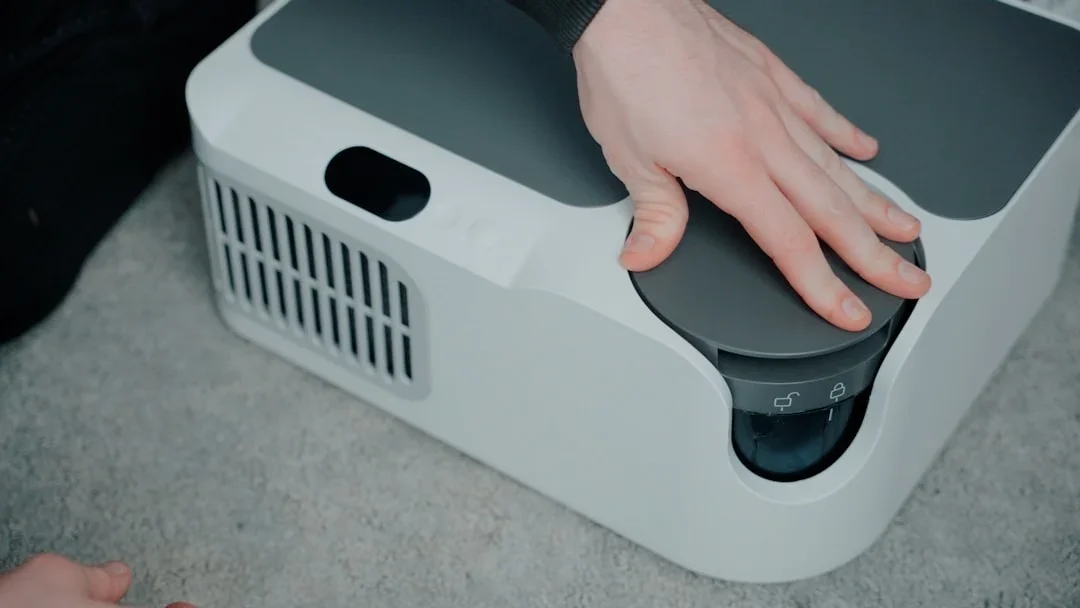
This comprehensive guide combines cutting-edge sleep research with practical methods you can implement tonight. From optimizing your sleep environment to mastering your circadian rhythm, these evidence-based techniques will help you achieve the restorative rest your body craves.
Understanding Sleep Quality vs Sleep Quantity
Sleep quality refers to how well you sleep, not just how long. While most adults need 7-9 hours of sleep, the structure and efficiency of that sleep matters more than duration alone.
The Four Stages of Sleep
Your brain cycles through four distinct sleep stages throughout the night:
- Stage 1: Light sleep transition (5% of total sleep)
- Stage 2: True sleep begins, body temperature drops (45-55%)
- Stage 3: Deep sleep for physical restoration (15-20%)
- REM Sleep: Dream stage crucial for memory consolidation (20-25%)
Quality sleep means cycling smoothly through these stages multiple times per night. Interruptions or imbalances in these stages leave you feeling tired despite adequate sleep duration.
Signs of Poor Sleep Quality
Recognize these warning signs that indicate suboptimal sleep quality:
- Frequent nighttime awakenings
- Difficulty falling asleep (taking over 30 minutes)
- Waking up feeling unrefreshed
- Daytime fatigue or sleepiness
- Mood irritability or concentration problems
Optimize Your Sleep Environment
Your bedroom environment significantly impacts sleep quality. Small adjustments can yield dramatic improvements in how well you rest.
Temperature Control
Maintain your bedroom temperature between 60-67°F (15-19°C). Your body's core temperature naturally drops during sleep preparation, and a cool environment supports this biological process.
Consider these temperature optimization strategies:
- Use a programmable thermostat to automatically lower temperature at bedtime
- Choose breathable, moisture-wicking bedding materials
- Use a fan for air circulation and white noise benefits
- Layer blankets for easy temperature adjustment
Darkness and Light Management
Darkness triggers melatonin production, your body's natural sleep hormone. Even small amounts of light can disrupt this process.
Implement these darkness strategies:
- Install blackout curtains or shades
- Use an eye mask if complete darkness isn't possible
- Cover or remove electronic devices with LED lights
- Consider red-tinted night lights for necessary illumination
Noise Reduction
Consistent, low-level sounds promote better sleep than complete silence or intermittent noise. White noise machines mask disruptive sounds while creating a soothing sleep environment.
For optimal bedroom setup for better sleep, address these noise factors:
- Use earplugs or white noise machines
- Install sound-absorbing materials like heavy curtains
- Place your bed away from high-traffic areas
- Consider asking household members to use "quiet hours"

Mattress and Pillow Selection
Your sleep surface directly affects comfort and spinal alignment. Replace your mattress every 7-8 years, and pillows every 1-2 years.
Choose based on your sleep position:
- Side sleepers: Medium-firm mattress with contoured pillow
- Back sleepers: Medium-firm mattress with medium-height pillow
- Stomach sleepers: Firm mattress with thin pillow
Master Your Sleep Schedule and Circadian Rhythm
Your circadian rhythm is your body's internal 24-hour clock, regulating sleep-wake cycles. Consistency is key to maintaining healthy circadian function.
Consistent Sleep-Wake Times
Go to bed and wake up at the same time every day, including weekends. This consistency reinforces your natural circadian rhythm and improves sleep quality over time.
Start with these steps:
- Choose realistic bedtime and wake time
- Adjust gradually (15-30 minutes per day)
- Set consistent alarms for both bedtime and wake time
- Avoid "sleeping in" more than one hour on weekends
Light Exposure Timing
Light exposure at specific times helps regulate your circadian rhythm. Morning light exposure signals alertness, while evening darkness promotes sleepiness.
Optimize light exposure:
- Get 15-30 minutes of bright morning sunlight within an hour of waking
- Use bright lights (10,000 lux) during morning hours
- Dim lights 2-3 hours before bedtime
- Avoid blue light from screens in the evening
Resetting Your Internal Clock
If your sleep schedule is significantly off, gradually reset your circadian rhythm:
- Light therapy: Use bright light in the morning and avoid evening light
- Meal timing: Eat breakfast soon after waking to signal daytime
- Exercise timing: Schedule workouts for morning or early afternoon
- Temperature regulation: Keep morning environments warm, evening cool

Evening Routine and Wind-Down Strategies
A consistent evening routine signals to your body that sleep time approaches. This psychological and physiological preparation improves sleep onset and quality.
Pre-Sleep Rituals
Develop a relaxing routine starting 1-2 hours before bedtime. Consistency helps your brain associate these activities with sleep preparation.
Effective wind-down activities include:
- Reading fiction or poetry
- Gentle stretching or yoga
- Taking a warm bath or shower
- Listening to calming music or meditation apps for better sleep
- Writing in a gratitude journal
Digital Device Guidelines
Blue light from screens suppresses melatonin production and stimulates alertness. Establish clear boundaries around evening technology use.
Follow the "2-1-0" rule:
- 2 hours: No more work-related activities
- 1 hour: No more screens or stimulating content
- 0 minutes: No caffeine, food, or stressful conversations
Relaxation Techniques
Practice these evidence-based relaxation methods:
Progressive Muscle Relaxation: Tense and release muscle groups systematically, starting with toes and working upward.
4-7-8 Breathing: Inhale for 4 counts, hold for 7, exhale for 8. Repeat 3-4 cycles.
Visualization: Imagine peaceful, detailed scenes like walking on a beach or through a forest.
Diet and Nutrition for Better Sleep
What and when you eat significantly impacts sleep quality. Certain foods promote sleepiness, while others can keep you awake.
Sleep-Promoting Foods
Incorporate these sleep-friendly nutrients into your evening routine:
Tryptophan-rich foods:
- Turkey, chicken, fish
- Milk, cheese, yogurt
- Eggs, tofu, pumpkin seeds
Magnesium sources:
- Leafy greens, almonds, avocados
- Dark chocolate, bananas
- Whole grains, legumes
Complex carbohydrates:
- Oatmeal with berries
- Whole grain toast with almond butter
- Sweet potatoes, quinoa
Meal Timing Guidelines
Time your meals to support natural circadian rhythms:
- Eat your largest meal at least 3-4 hours before bedtime
- Have a light snack 1-2 hours before sleep if hungry
- Avoid spicy, acidic, or high-fat foods in the evening
- Stop eating 2-3 hours before bedtime to prevent digestive disruption
Caffeine and Alcohol Effects
Caffeine has a half-life of 6-8 hours, meaning it stays in your system long after consumption. Limit caffeine intake after 2 PM, or earlier if you're sensitive.
Alcohol may initially make you drowsy but disrupts sleep architecture later in the night. Limit alcohol consumption and avoid drinking within 3 hours of bedtime.
Sleep Supplements
Consider these research-backed natural sleep remedies under professional guidance:
Melatonin: 0.5-3mg taken 30-60 minutes before desired sleep time. Start with the lowest effective dose.
Magnesium: 200-400mg of magnesium glycinate or citrate, taken with dinner or before bed.
L-theanine: 100-200mg promotes relaxation without drowsiness.
Exercise and Physical Activity Impact
Regular physical activity improves sleep quality, reduces sleep onset time, and increases deep sleep duration. However, timing and intensity matter significantly.
Optimal Exercise Timing
Schedule vigorous exercise at least 3-4 hours before bedtime. Morning and early afternoon workouts provide the best sleep benefits:
- Morning exercise: Enhances circadian rhythm regulation
- Afternoon exercise: Reduces sleep onset time
- Evening exercise: Can be stimulating and delay sleep
Types of Exercise for Better Sleep
Aerobic exercise: 30 minutes of moderate cardio (walking, cycling, swimming) improves sleep quality most effectively.
Strength training: Resistance exercise 2-3 times per week enhances deep sleep stages.
Yoga and stretching: Gentle evening practices reduce stress and promote relaxation.
Evening-Appropriate Activities
If you must exercise in the evening, choose low-intensity options:
- Gentle yoga or tai chi
- Light walking or leisurely cycling
- Stretching or foam rolling
- Breathing exercises or meditation
Stress Management and Mental Health
Stress and anxiety are leading causes of sleep problems. Racing thoughts and worry create a hyperaroused state incompatible with quality sleep.
Addressing Racing Thoughts
Use these techniques to quiet mental chatter:
Brain dump: Write down tomorrow's tasks and worries to clear your mind.
Worry time: Schedule 15 minutes earlier in the day to process concerns.
Cognitive restructuring: Challenge catastrophic thinking with realistic perspectives.
Meditation and Breathing Techniques
Regular mindfulness practice reduces sleep latency and improves sleep quality:
Mindfulness meditation: Focus on breath or body sensations for 10-20 minutes before bed.
Body scan meditation: Systematically notice and relax each body part.
Box breathing: Inhale, hold, exhale, and pause for equal counts (typically 4).
Journaling for Better Sleep
Writing before bed helps process emotions and clear mental clutter:
- Gratitude journaling: List 3 things you're thankful for
- Worry journaling: Write concerns and potential solutions
- Tomorrow planning: Organize the next day's priorities
When to Seek Professional Help
Consider therapy or counseling if:
- Sleep problems persist despite good sleep hygiene
- Anxiety or depression significantly impacts daily life
- You experience panic attacks or severe worry
- Sleep issues began after trauma or major life changes
When to Consult a Sleep Specialist
Some sleep problems require professional medical evaluation. Recognizing when to seek help prevents long-term health consequences.
Warning Signs of Sleep Disorders
Schedule a medical consultation if you experience:
Sleep Apnea Symptoms:
- Loud, chronic snoring
- Gasping or choking during sleep
- Morning headaches
- Excessive daytime sleepiness
- High blood pressure
Other Sleep Disorders:
- Restless leg syndrome or periodic limb movements
- Sleepwalking or night terrors
- Narcolepsy symptoms (sudden sleep attacks)
- Chronic insomnia lasting more than 3 months
Preparing for Sleep Study Consultation
Before your appointment:
- Keep a sleep diary for 1-2 weeks
- List all medications and supplements
- Document family history of sleep problems
- Prepare questions about treatment options
- Bring a partner who observes your sleep patterns
Sleep Study Process
A sleep study (polysomnography) monitors:
- Brain waves and sleep stages
- Eye movements and muscle activity
- Heart rate and breathing patterns
- Blood oxygen levels
- Body position and movement
Results help doctors diagnose specific sleep disorders and recommend targeted treatments.
Creating Your Personalized Sleep Improvement Plan
Implementing all strategies simultaneously can be overwhelming. Create a gradual improvement plan focusing on the most impactful changes first.
Week 1-2: Foundation Building
- Establish consistent sleep and wake times
- Optimize bedroom temperature and darkness
- Begin a simple evening routine
Week 3-4: Environment and Habits
- Fine-tune bedroom setup and noise control
- Implement digital device boundaries
- Add relaxation techniques to bedtime routine
Week 5-8: Advanced Optimization
- Adjust diet and supplement timing
- Incorporate regular exercise at optimal times
- Develop stress management practices
Track your progress using a sleep diary or smartphone app. Monitor sleep quality, energy levels, and daytime mood to identify which strategies provide the most benefit.
For additional resources, explore our complete sleep hygiene checklist to ensure you're covering all essential elements of healthy sleep.
This article is for informational purposes only. Consult a qualified healthcare professional for persistent sleep problems or before starting new supplements or significantly changing your exercise routine.
Frequently Asked Questions
How long does it take to improve sleep quality?
Most people notice improvements within 1-2 weeks of implementing consistent sleep hygiene practices. Significant changes in sleep quality typically occur within 4-6 weeks of maintaining good sleep habits, though individual results vary based on underlying issues and consistency of implementation.
What foods should I avoid before bedtime?
Avoid spicy foods, high-fat meals, caffeine, alcohol, and large portions within 3 hours of bedtime. These can cause digestive discomfort, disrupt sleep architecture, or stimulate alertness. Also limit acidic foods like citrus or tomatoes that may cause heartburn when lying down.
Is it better to sleep in a cold or warm room?
A cool room (60-67°F or 15-19°C) is optimal for sleep quality. Your body temperature naturally drops during sleep preparation, and a cooler environment supports this process. Warm rooms can interfere with your body's natural cooling mechanism and disrupt sleep cycles.
How many hours before bed should I stop using screens?
Stop using screens at least 1 hour before bedtime, though 2-3 hours is ideal. Blue light from devices suppresses melatonin production and stimulates alertness. If you must use screens, wear blue light blocking glasses or enable night mode settings.
Can exercise too close to bedtime hurt sleep quality?
Yes, vigorous exercise within 3-4 hours of bedtime can disrupt sleep by raising body temperature, heart rate, and alertness levels. However, gentle activities like yoga, stretching, or light walking can actually promote relaxation and improve sleep quality when done close to bedtime.