
Anti Inflammatory Foods List for Beginners: 50+ Foods
Starting an anti-inflammatory diet can feel overwhelming, but it doesn't have to be complicated. This comprehensive anti inflammatory foods list for beginners will help you understand which foods naturally reduce inflammation and how to incorporate them into your daily meals. With over 50 foods to choose from, you'll have plenty of delicious options to support your health journey in 2026.
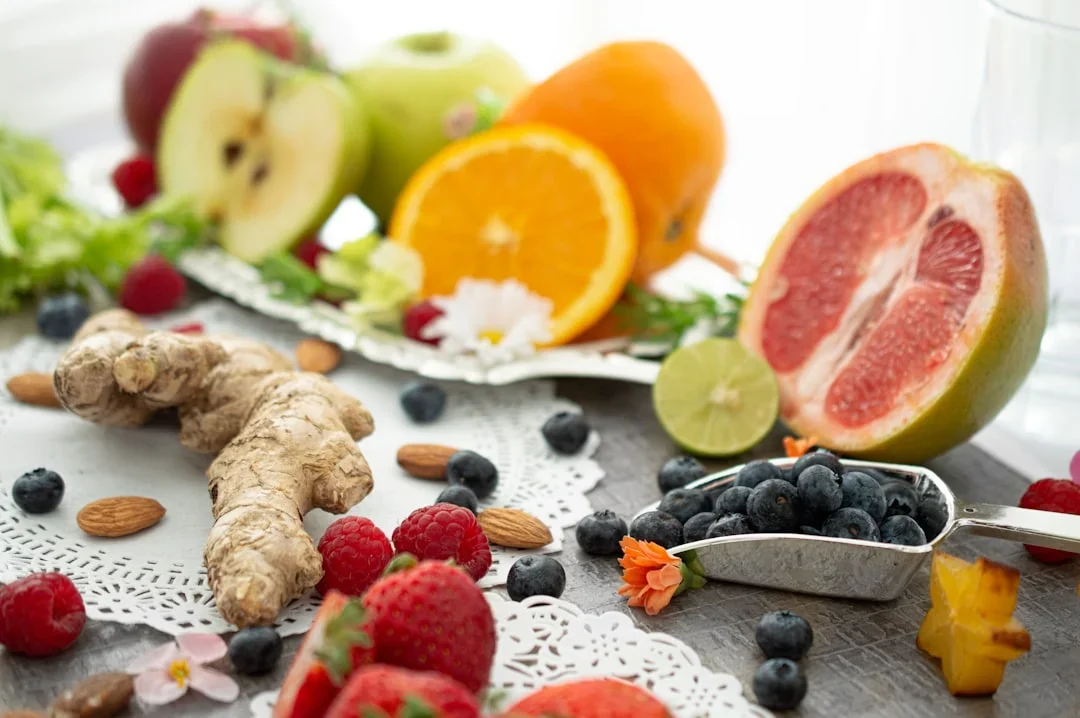
Inflammation affects millions of people worldwide, contributing to various health issues from joint pain to chronic diseases. The good news is that simple dietary changes can make a significant difference in how you feel and function every day.
What Are Anti-Inflammatory Foods and Why They Matter
Inflammation is your body's natural response to injury or infection, designed to protect and heal damaged tissues. However, when inflammation becomes chronic, it can contribute to serious health problems including heart disease, diabetes, and autoimmune conditions.
Acute inflammation is short-term and beneficial – think of the redness and swelling around a cut. Chronic inflammation, on the other hand, persists for months or years and can damage healthy tissues. This type of inflammation often develops silently, making dietary intervention crucial for long-term health.
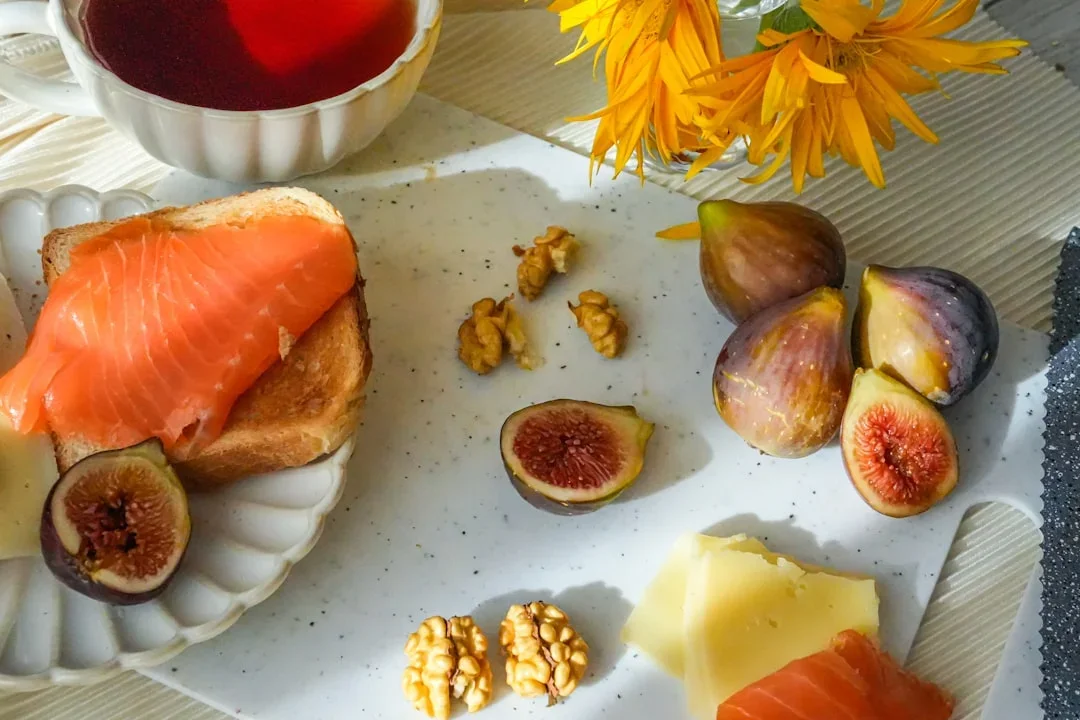
Anti-inflammatory foods contain compounds called antioxidants, omega-3 fatty acids, and phytonutrients that help reduce inflammatory markers in your body. These natural substances work by neutralizing free radicals, supporting immune function, and regulating inflammatory pathways.
Research shows that people following anti-inflammatory diets have lower levels of C-reactive protein (CRP), interleukin-6, and other inflammatory markers. These improvements often translate to reduced pain, better energy levels, and decreased risk of chronic diseases.
The Mediterranean diet, rich in anti-inflammatory foods, has been extensively studied and linked to reduced inflammation, improved heart health, and increased longevity. By focusing on whole, unprocessed foods, you can naturally support your body's anti-inflammatory processes.
Top 15 Anti-Inflammatory Fruits for Beginners
Fruits are nature's candy, packed with vitamins, minerals, and powerful anti-inflammatory compounds. These beginner-friendly options are easy to find at most grocery stores and simple to incorporate into your daily routine.
Berries: Nature's Anti-Inflammatory Powerhouses
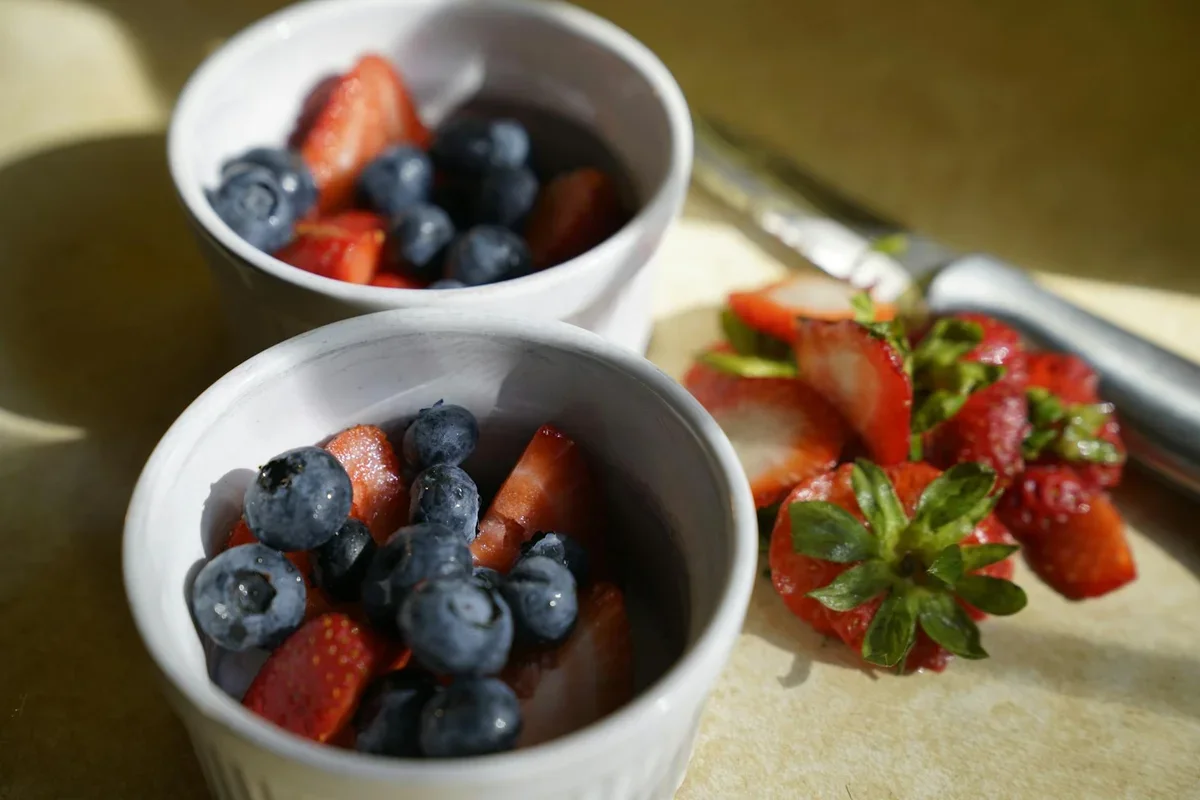
Blueberries contain anthocyanins, which give them their deep blue color and provide potent anti-inflammatory effects. Just one cup provides significant amounts of vitamin C and fiber while helping reduce oxidative stress.
Strawberries are rich in vitamin C and contain ellagic acid, a compound that helps reduce inflammatory markers. They're perfect for breakfast bowls, smoothies, or healthy desserts.
Blackberries and raspberries offer similar benefits with high levels of anthocyanins and fiber. These berries support digestive health while fighting inflammation throughout your body.
Citrus Fruits for Vitamin C and Flavonoids
Oranges provide vitamin C, folate, and hesperidin – a flavonoid that helps reduce inflammation and support heart health. One medium orange meets most of your daily vitamin C needs.
Grapefruits contain naringenin, which has been shown to have anti-inflammatory and antioxidant properties. Pink and red varieties offer additional lycopene benefits.
Lemons and limes are excellent sources of vitamin C and citrus flavonoids. Add them to water, salads, or use in cooking for both flavor and anti-inflammatory benefits.
Additional Anti-Inflammatory Fruits
Cherries, particularly tart cherries, contain anthocyanins and have been studied for their ability to reduce inflammation and improve sleep quality. They're especially beneficial for exercise recovery.
Apples provide quercetin, a flavonoid with strong anti-inflammatory properties. The saying "an apple a day" has scientific backing for reducing inflammation.
Grapes contain resveratrol, particularly in the skin, which has powerful anti-inflammatory effects. Red and purple grapes offer the highest concentrations.
Pomegranates are packed with punicalagins and anthocyanins that help reduce inflammation and support heart health. Pomegranate juice is a convenient option.
Pineapple contains bromelain, an enzyme with anti-inflammatory properties that may help reduce swelling and support digestion.
Papaya provides papain, another anti-inflammatory enzyme, along with vitamin C and carotenoids that support immune function.
Watermelon contains lycopene and vitamin C while providing hydration. It's particularly refreshing during summer months.
Cantaloupe offers beta-carotene and vitamin C, supporting both anti-inflammatory processes and immune health.
Essential Anti-Inflammatory Vegetables (20+ Options)
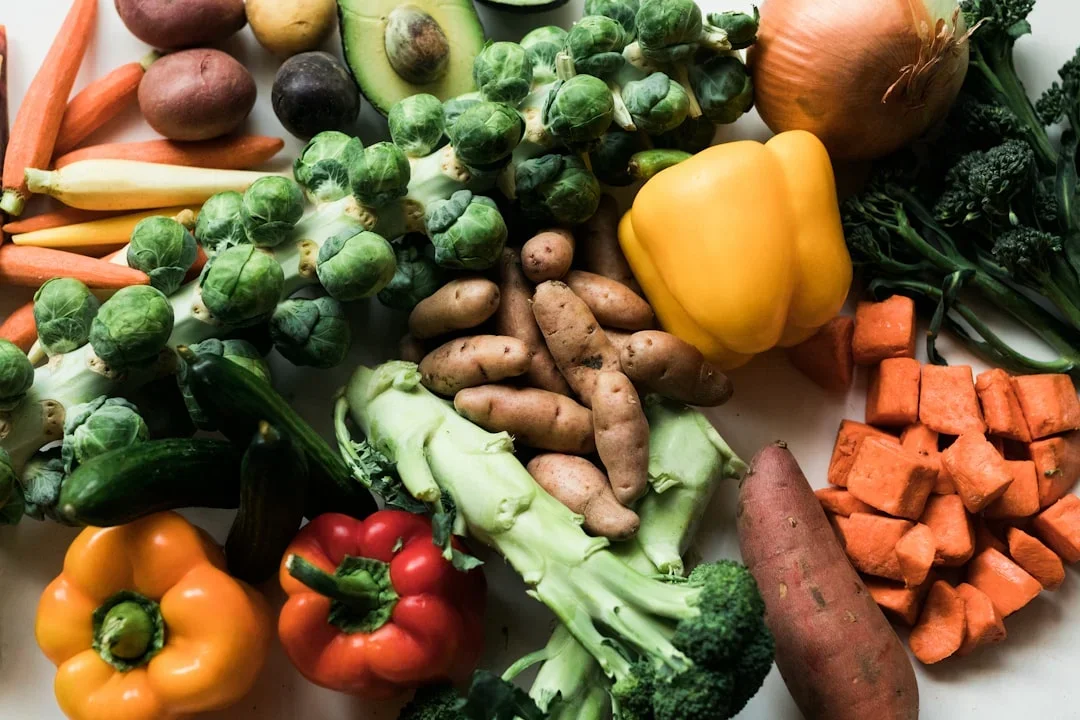
Vegetables form the foundation of any anti-inflammatory diet, providing essential nutrients, fiber, and phytonutrients that support overall health. These options are beginner-friendly and available year-round in most areas.
Leafy Greens: Nutrient-Dense Inflammation Fighters
Spinach is packed with folate, vitamin K, and nitrates that help reduce inflammation and support cardiovascular health. It's versatile enough for salads, smoothies, or cooked dishes.
Kale contains quercetin, kaempferol, and vitamin C, making it one of the most nutrient-dense vegetables available. Massage raw kale with olive oil to improve texture and nutrient absorption.
Swiss chard provides betalains, unique compounds with potent anti-inflammatory properties. The colorful stems contain additional nutrients.
Arugula offers glucosinolates and has a peppery flavor that adds interest to salads and sandwiches.
Cruciferous Vegetables for Detoxification
Broccoli contains sulforaphane, a powerful compound that helps reduce inflammation and supports detoxification processes. Steam lightly to preserve nutrients.
Brussels sprouts provide similar benefits to broccoli and can be roasted, steamed, or added to stir-fries for variety.
Cauliflower is versatile and mild-tasting, making it perfect for beginners. It can be riced, mashed, or roasted as a substitute for higher-carb foods.
Cabbage, including red cabbage, contains anthocyanins and vitamin C. It's affordable and keeps well, making it practical for meal prep.
Colorful Anti-Inflammatory Vegetables
Bell peppers, especially red and yellow varieties, are rich in vitamin C and carotenoids. They add sweetness and crunch to any meal.
Carrots provide beta-carotene and fiber while offering natural sweetness that appeals to beginners. They're perfect for snacking or cooking.
Sweet potatoes contain beta-carotene and fiber while providing complex carbohydrates for sustained energy. They're naturally sweet and satisfying.
Beets offer betalains and nitrates that support circulation and reduce inflammation. Roasted beets are sweet and earthy.
Tomatoes provide lycopene, which becomes more bioavailable when cooked. They're versatile for sauces, salads, and cooking.
Additional Anti-Inflammatory Vegetables
Onions contain quercetin and organosulfur compounds that help reduce inflammation and support immune function.
Garlic provides allicin and other sulfur compounds with powerful anti-inflammatory effects. Use fresh garlic for maximum benefits.
Mushrooms, including shiitake, maitake, and portobello varieties, contain beta-glucans that support immune function and reduce inflammation.
Asparagus offers glutathione, a powerful antioxidant that helps reduce oxidative stress and inflammation.
Artichokes provide cynarin and silymarin, compounds that support liver health and reduce inflammation.
Cucumber contains silica and provides hydration while offering mild anti-inflammatory benefits.
Celery contains apigenin, a flavonoid with anti-inflammatory properties, and provides satisfying crunch for snacks.
Protein Sources That Fight Inflammation
Protein is essential for tissue repair and immune function, but choosing the right sources can enhance your anti-inflammatory efforts. These beginner-friendly options provide high-quality protein while supporting your health goals.
Fatty Fish: Omega-3 Powerhouses
Salmon is perhaps the most well-known anti-inflammatory protein, rich in EPA and DHA omega-3 fatty acids. Choose wild-caught when possible for optimal nutrient content.
Mackerel provides even higher levels of omega-3s than salmon and is often more affordable. It has a stronger flavor that pairs well with Mediterranean preparations.
Sardines are small, sustainable fish packed with omega-3s, calcium, and vitamin D. Canned sardines are convenient and budget-friendly.
Anchovies offer similar benefits to sardines and can be used in small amounts to add umami flavor to dishes.
Plant-Based Protein Options
Lentils provide protein, fiber, and folate while being naturally anti-inflammatory. They cook quickly and absorb flavors well.
Black beans offer protein and anthocyanins, the same compounds found in dark berries. They're versatile for soups, salads, and Mexican dishes.
Chickpeas provide protein and fiber while being mild in flavor, making them perfect for beginners. Hummus is an easy way to incorporate them.
Hemp seeds contain complete protein and omega-3 fatty acids in an ideal ratio. Sprinkle them on salads, yogurt, or smoothies.
Chia seeds provide protein, omega-3s, and fiber. They can be made into puddings or added to smoothies for extra nutrition.
Walnuts offer protein and the highest omega-3 content of any nut. They're perfect for snacking or adding to salads and oatmeal.
Lean Animal Proteins
Organic chicken provides high-quality protein with minimal inflammatory potential when prepared without excess oils or processed ingredients.
Turkey is lean and versatile, offering complete protein for muscle maintenance and immune function.
Eggs from pasture-raised hens provide complete protein and choline for brain health. The yolks contain beneficial omega-3s.
Preparation Tips for Anti-Inflammatory Proteins
Grill, bake, poach, or steam proteins instead of frying to avoid adding inflammatory oils. Season with anti-inflammatory herbs and spices like turmeric, ginger, and garlic.
Aim for 3-4 servings of fatty fish per week to meet omega-3 recommendations. If you don't eat fish, consider algae-based omega-3 supplements after consulting with a healthcare provider.
Combine plant proteins throughout the day to ensure complete amino acid profiles. Beans and rice, or nuts and seeds, create complementary protein combinations.
Anti-Inflammatory Herbs, Spices, and Healthy Fats
Herbs, spices, and healthy fats are the secret weapons in anti-inflammatory cooking. These ingredients not only enhance flavor but provide concentrated anti-inflammatory compounds that can significantly impact your health.
Powerful Anti-Inflammatory Spices
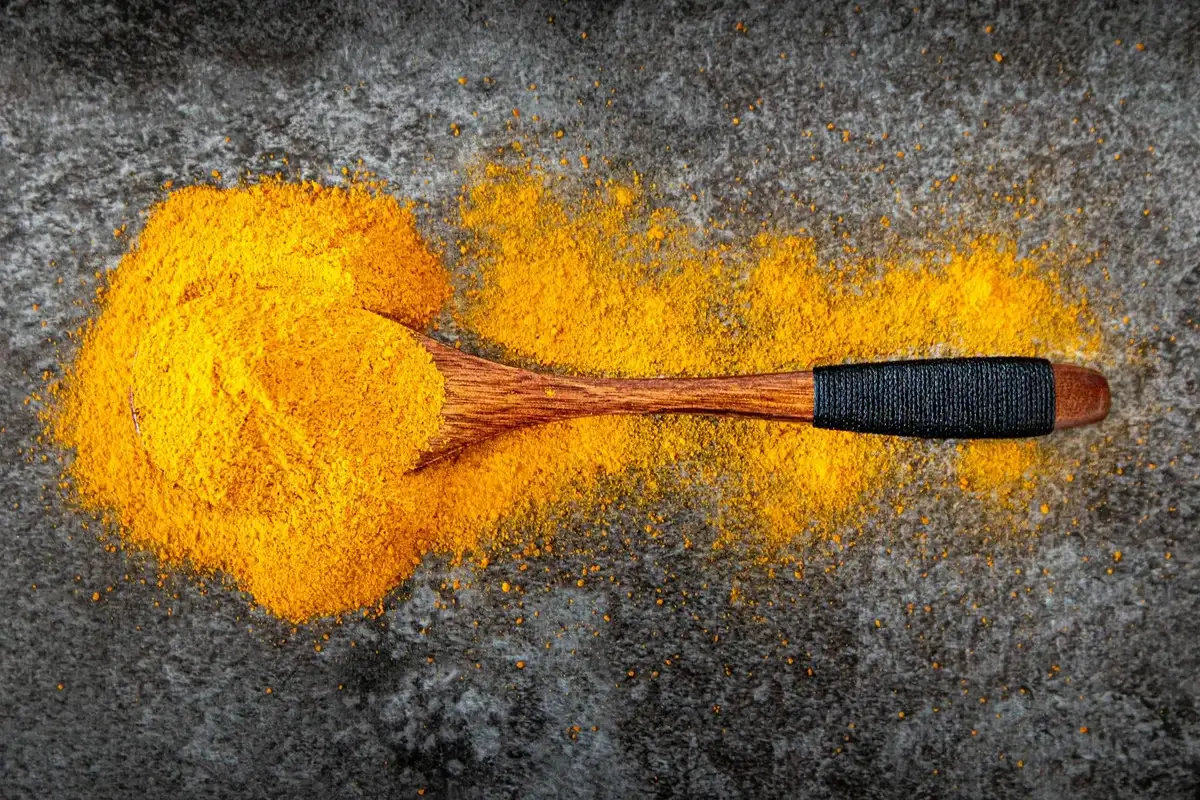
Turmeric contains curcumin, one of the most studied anti-inflammatory compounds. Use 1-2 teaspoons daily in cooking, and combine with black pepper to enhance absorption.
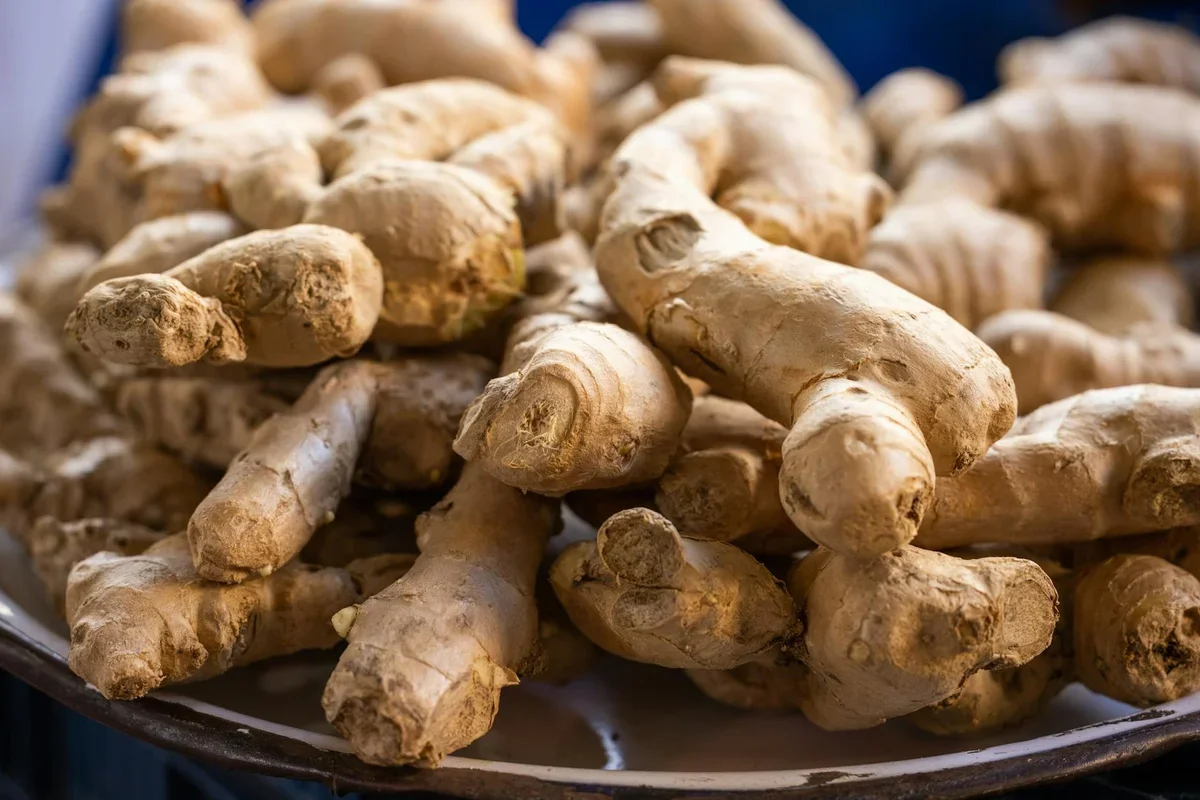
Ginger provides gingerol, which has potent anti-inflammatory and digestive benefits. Fresh ginger can be grated into teas, stir-fries, or smoothies.
Cinnamon contains cinnamaldehyde and helps regulate blood sugar while reducing inflammation. Use Ceylon cinnamon for daily consumption.
Garlic powder and onion powder provide concentrated sulfur compounds when fresh varieties aren't available.
Anti-Inflammatory Herbs
Rosemary contains rosmarinic acid and can be used fresh or dried in Mediterranean dishes.
Oregano provides carvacrol and thymol, compounds with antimicrobial and anti-inflammatory properties.
Thyme offers similar benefits to oregano and pairs well with roasted vegetables and proteins.
Basil contains eugenol and adds fresh flavor to salads, pasta, and protein dishes.
Healthy Fats That Fight Inflammation
Extra virgin olive oil is rich in oleocanthal, which has similar anti-inflammatory effects to ibuprofen. Use it for low-heat cooking and dressings.
Avocados provide monounsaturated fats and oleic acid that help reduce inflammatory markers. They're creamy and satisfying for beginners.
Nuts and seeds offer healthy fats, protein, and minerals:
- Almonds provide vitamin E and magnesium
- Flaxseeds offer alpha-linolenic acid (ALA), a plant-based omega-3
- Pumpkin seeds contain zinc and magnesium
Usage Tips and Dosage Recommendations
Start with small amounts of new spices to allow your palate to adjust. A pinch of turmeric in scrambled eggs or smoothies is a gentle introduction.
Store spices in cool, dark places and replace them annually for optimal potency. Whole spices last longer than ground versions.
Use 2-3 tablespoons of olive oil daily, incorporating it into salad dressings, vegetable preparations, or as a finishing oil.
Aim for a small handful of nuts or seeds daily, approximately 1 ounce or 28 grams, to gain anti-inflammatory benefits without excess calories.
7-Day Anti-Inflammatory Meal Planning for Beginners
Meal planning removes the guesswork from anti-inflammatory eating and ensures you have nutritious options readily available. This beginner-friendly approach focuses on simple preparations and common ingredients.
Day 1-3: Building Your Foundation
Day 1:
- Breakfast: Overnight oats with blueberries, walnuts, and cinnamon
- Lunch: Spinach salad with grilled salmon, avocado, and olive oil dressing
- Dinner: Baked sweet potato with steamed broccoli and herb-seasoned chicken
- Snack: Apple slices with almond butter
Day 2:
- Breakfast: Green smoothie with spinach, pineapple, ginger, and chia seeds
- Lunch: Lentil soup with carrots, celery, and turmeric
- Dinner: Grilled mackerel with roasted Brussels sprouts and quinoa
- Snack: Mixed berries with Greek yogurt
Day 3:
- Breakfast: Scrambled eggs with spinach and tomatoes, cooked in olive oil
- Lunch: Chickpea salad with cucumber, bell peppers, and herb dressing
- Dinner: Baked cod with roasted rainbow vegetables
- Snack: Handful of walnuts and an orange
Day 4-7: Expanding Your Options
Day 4:
- Breakfast: Greek yogurt with pomegranate seeds and hemp hearts
- Lunch: Turkey and avocado wrap with leafy greens in a whole grain tortilla
- Dinner: Vegetarian black bean and sweet potato chili
- Snack: Celery sticks with hummus
Day 5:
- Breakfast: Steel-cut oatmeal with sliced strawberries and ground flaxseed
- Lunch: Arugula salad with grilled chicken, cherry tomatoes, and balsamic vinaigrette
- Dinner: Baked salmon with asparagus and brown rice
- Snack: Trail mix with raw almonds and dried cherries (unsweetened)
Day 6:
- Breakfast: Smoothie bowl with açai, banana, and anti-inflammatory toppings
- Lunch: Mediterranean quinoa bowl with olives, cucumbers, and feta
- Dinner: Herb-crusted chicken with roasted root vegetables
- Snack: Sliced bell peppers with guacamole
Day 7:
- Breakfast: Veggie omelet with mushrooms, onions, and herbs
- Lunch: Buddha bowl with various anti-inflammatory vegetables and tahini dressing
- Dinner: Grilled sardines with mixed green salad and roasted beets
- Snack: Dark berries with a few Brazil nuts
Shopping List Essentials
Proteins: Wild-caught salmon, mackerel, sardines, organic chicken, eggs, lentils, chickpeas, black beans
Vegetables: Spinach, kale, broccoli, Brussels sprouts, bell peppers, sweet potatoes, carrots, onions, garlic
Fruits: Blueberries, strawberries, oranges, apples, pomegranates, avocados
Pantry Staples: Extra virgin olive oil, turmeric, ginger, cinnamon, quinoa, brown rice, steel-cut oats
Nuts and Seeds: Walnuts, almonds, chia seeds, hemp hearts, flaxseeds
Meal Prep Strategies
Prepare grains and legumes in batches at the beginning of the week. Cook quinoa, brown rice, and lentils in larger quantities and store in the refrigerator.
Wash and chop vegetables when you return from shopping. Store prepped vegetables in clear containers for easy access.
Prepare overnight oats or chia puddings for grab-and-go breakfasts throughout the week.
Marinate proteins ahead of time to save cooking time during busy weekdays. Simple herb and olive oil marinades work well.
Foods to Avoid: Pro-Inflammatory Items That Worsen Symptoms
Understanding which foods promote inflammation is just as important as knowing which ones fight it. These pro-inflammatory foods can counteract your anti-inflammatory efforts and worsen symptoms.
Processed and Ultra-Processed Foods
Packaged snacks like chips, crackers, and cookies often contain inflammatory oils, artificial additives, and excess sodium. Replace them with fresh fruit, nuts, or homemade snacks.
Processed meats including hot dogs, bacon, and deli meats contain nitrates and high sodium levels that promote inflammation. Choose fresh, unprocessed proteins instead.
Fast food is typically high in trans fats, refined oils, and sodium while being low in anti-inflammatory nutrients. Plan ahead with healthy meal prep to avoid convenience food temptations.
Refined Sugars and Sweeteners
White sugar and high fructose corn syrup trigger inflammatory pathways and contribute to insulin resistance. Natural sweeteners like honey or maple syrup should also be used sparingly.
Sugary beverages including sodas, energy drinks, and sweetened teas provide empty calories and promote inflammation. Replace with water, herbal teas, or infused water.
Refined baked goods like white bread, pastries, and muffins combine refined flour with sugar, creating a double inflammatory impact.
Inflammatory Fats and Oils
Trans fats found in margarine, shortening, and many processed foods are highly inflammatory and should be completely avoided.
Refined vegetable oils including corn, soybean, and safflower oils are high in omega-6 fatty acids, which can promote inflammation when consumed in excess.
Fried foods cooked in these inflammatory oils compound the problem by creating additional harmful compounds through high-heat processing.
Healthier Alternatives
Replace sugary snacks with fresh fruit or a small portion of dark chocolate (70% cacao or higher).
Swap refined grains for whole grain alternatives like quinoa, brown rice, and steel-cut oats.
Use herbs and spices instead of excess salt for flavoring. Many anti-inflammatory spices enhance taste while providing health benefits.
Choose water with lemon, herbal teas, or green tea instead of sugary beverages.
Prepare homemade versions of favorite processed foods using anti-inflammatory ingredients.
Reading Labels for Hidden Inflammation
Learn to identify inflammatory ingredients on food labels. Watch for:
- Partially hydrogenated oils (trans fats)
- High fructose corn syrup
- Artificial preservatives and colors
- Excess sodium (over 400mg per serving)
Choose products with five ingredients or fewer, all of which you can pronounce and recognize as real foods.
Simple Tips to Start Your Anti-Inflammatory Journey Today
Starting an anti-inflammatory diet doesn't require perfection or dramatic overnight changes. These practical strategies will help you implement changes gradually while building sustainable habits.
Week 1: Foundation Building
Add one anti-inflammatory food to each meal. Start with familiar options like berries in your morning oatmeal, spinach in your lunch salad, and salmon for dinner twice this week.
Replace one inflammatory food daily. Swap white rice for quinoa, regular pasta for whole grain varieties, or sugary drinks for herbal tea.
Incorporate one new anti-inflammatory spice. Begin with turmeric in scrambled eggs or ginger in your morning tea.
Week 2-3: Expanding Your Repertoire
Try three new anti-inflammatory foods each week. Visit the produce section and choose colorful vegetables or fruits you haven't tried recently.
Plan two anti-inflammatory meals from scratch each week. Simple preparations like roasted vegetables with herbs or grilled fish with steamed greens are perfect starting points.
Begin reading food labels more carefully, avoiding products with inflammatory ingredients listed in the previous section.
Week 4 and Beyond: Creating Lasting Habits
Focus on meal prep to make anti-inflammatory eating more convenient. Prepare vegetables, cook grains in batches, and have healthy snacks readily available.
Experiment with anti-inflammatory cooking methods. Try roasting vegetables with olive oil and herbs, or making simple fish preparations with lemon and spices.
Connect with others who share similar health goals. Join online communities or find local cooking classes focused on healthy, anti-inflammatory cuisine.
Setting Realistic Expectations
Some people notice improvements in energy levels and joint comfort within 2-3 weeks of following an anti-inflammatory diet. However, significant changes in inflammatory markers typically take 6-12 weeks of consistent dietary changes.
Focus on progress, not perfection. If you have an inflammatory meal or day, simply return to your anti-inflammatory choices at the next meal.
Keep a simple food and symptom diary to track how different foods affect your energy, joint comfort, and overall well-being.
Building Your Support System
Involve family members in meal planning and preparation. Teaching children about anti-inflammatory foods creates healthy habits for the entire family.
Find recipes that incorporate anti-inflammatory ingredients into familiar dishes. This approach helps you maintain food preferences while improving nutritional quality.
Consider working with a registered dietitian if you have specific health conditions or need personalized guidance. They can help you develop a plan that meets your individual needs.
Celebrate small victories and improvements along the way. Better sleep quality, as discussed in our guide on How to Improve Sleep Quality: 12 Science-Backed Methods, often improves with reduced inflammation.
Consider incorporating stress-reduction techniques alongside dietary changes. How to Start Meditation for Beginners: Complete 2026 Guide provides excellent strategies for managing stress, which can contribute to inflammation.
Remember that financial wellness also impacts your ability to maintain healthy eating habits. Check out our Emergency Fund: How Much to Save for Financial Security guide to ensure you can budget for quality anti-inflammatory foods.
Medical Disclaimer: This article is for informational purposes only and should not replace professional medical advice. Consult with a qualified healthcare professional before making significant dietary changes, especially if you have existing health conditions, take medications, or are pregnant or breastfeeding. Individual responses to dietary changes may vary, and some people may experience allergic reactions to certain foods mentioned in this article.
Frequently Asked Questions
What are the best anti-inflammatory foods for beginners to start with?
Start with easily accessible foods like blueberries, spinach, salmon, olive oil, and turmeric. These provide powerful anti-inflammatory compounds while being simple to incorporate into familiar meals and recipes.
How long does it take to see results from an anti-inflammatory diet?
Many people notice improved energy and reduced joint discomfort within 2-3 weeks. However, significant changes in inflammatory markers typically require 6-12 weeks of consistent dietary changes for optimal results.
Can anti-inflammatory foods help with joint pain and arthritis?
Yes, anti-inflammatory foods can help reduce joint pain and arthritis symptoms by lowering inflammatory markers in the body. Foods rich in omega-3s, antioxidants, and anti-inflammatory compounds may decrease pain and stiffness.
What's the difference between anti-inflammatory and regular healthy foods?
Anti-inflammatory foods specifically contain compounds that actively reduce inflammation markers, like omega-3s, antioxidants, and phytonutrients. While all anti-inflammatory foods are healthy, not all healthy foods have specific anti-inflammatory properties.
Are there any side effects from eating too many anti-inflammatory foods?
Anti-inflammatory foods are generally safe, but excessive amounts of certain foods may cause issues. Too much turmeric can affect blood clotting, and high omega-3 intake may cause digestive upset in sensitive individuals.