
How to Start Meditation for Beginners: Complete 2026 Guide
Learning how to start meditation for beginners can feel overwhelming, but it's simpler than you think. Meditation has become one of the most accessible wellness practices in 2026, with countless scientific studies proving its benefits for mental health and overall well-being.
This comprehensive guide will walk you through everything you need to know about starting your meditation journey. You'll discover practical techniques, avoid common pitfalls, and build a sustainable daily practice that fits your lifestyle.

What is Meditation and Why Start Now?
Meditation is the practice of training your mind to focus and redirect thoughts. It's a mental exercise that helps you develop awareness, concentration, and emotional regulation through various techniques.
The benefits of meditation are well-documented and impressive. Research shows that regular meditation can reduce stress hormones by up to 23%, improve focus and attention span, and enhance emotional well-being. Studies also indicate that meditation can lower blood pressure, improve immune function, and even change brain structure in positive ways.
2026 presents unique opportunities for beginning meditators. With advanced meditation apps, virtual reality experiences, and AI-guided sessions, starting a practice has never been more accessible. The post-pandemic world has also increased awareness of mental health importance, making meditation a mainstream wellness tool.
Regular meditation practice can help you manage anxiety, improve sleep quality, and develop greater self-awareness. Many practitioners report feeling calmer, more focused, and better equipped to handle daily stressors after just a few weeks of consistent practice.
The Science Behind Meditation Benefits
Neuroscience research reveals that meditation literally rewires your brain. The prefrontal cortex, responsible for decision-making and emotional regulation, becomes more active with regular practice. Meanwhile, the amygdala, which triggers stress responses, becomes less reactive.
These changes occur relatively quickly. Brain scans show measurable differences in just eight weeks of regular meditation practice. This neuroplasticity explains why many people notice improvements in mood, focus, and stress levels within their first month of meditating.
Types of Meditation for Beginners
Choosing the right meditation style is crucial for building a sustainable practice. Here are the most beginner-friendly types to consider:
Mindfulness Meditation
Mindfulness meditation involves observing your thoughts and feelings without judgment. You simply notice what's happening in your mind and gently return attention to your breath when thoughts wander.
This style is perfect for beginners because it doesn't require special techniques or equipment. You can practice mindfulness meditation anywhere, making it highly practical for busy schedules.
Guided Meditation
Guided meditation uses audio instructions to lead you through the practice. A teacher or app provides step-by-step directions, making it ideal for those unsure how to meditate independently.
Many beginners find guided sessions less intimidating than silent meditation. The constant guidance helps prevent mind-wandering and provides structure for developing your practice.
Breathing Exercises
Breath-focused meditation centers on controlling and observing your breathing patterns. Techniques like counting breaths or following inhale-exhale cycles help anchor your attention.
Breathing exercises are particularly effective for anxiety relief and stress reduction. They're also easy to learn and can be practiced in short sessions throughout the day.
Body Scan Meditation
Body scan meditation involves systematically focusing on different parts of your body, noting sensations without trying to change them. This practice develops body awareness and promotes deep relaxation.
Beginners often find body scans helpful because they provide a clear focus point. The structured progression from head to toe gives your mind something specific to follow.
Walking Meditation
Walking meditation combines mindfulness with gentle physical movement. You focus on the sensations of walking, including foot placement, balance, and rhythm.
This active form of meditation works well for people who struggle with sitting still. It's also an excellent way to integrate mindfulness into daily activities like commuting or exercising.

Essential Setup: Creating Your Meditation Space
Creating the right environment significantly impacts your meditation success. You don't need an elaborate setup, but certain elements can enhance your practice.
Choosing Your Location
Select a quiet space where you won't be interrupted. This could be a corner of your bedroom, a spot in your living room, or even a peaceful outdoor area. Consistency matters more than perfection – using the same location helps signal to your brain that it's time to meditate.
Avoid high-traffic areas or spaces with frequent noise. If complete silence isn't possible, consider using soft background music or nature sounds to mask distractions.
Optimal Timing
Morning meditation offers several advantages. Your mind is typically calmer after sleep, and establishing a morning routine increases consistency. Many successful meditators practice within an hour of waking.
Evening sessions can also work well, especially for stress relief and better sleep preparation. Choose a time when you're alert but not overstimulated. Avoid meditating immediately after meals or intense exercise.
Comfortable Seating Options
Proper posture supports alertness without causing discomfort. You can sit on a cushion, chair, or meditation bench – whatever keeps your spine straight and body relaxed.
If sitting on the floor, use a cushion or folded blanket to elevate your hips slightly above your knees. This position reduces strain on your lower back and promotes better circulation.
Minimizing Distractions
Turn off phone notifications or put your device in airplane mode. Let family members know you'll be unavailable for a specific period. Consider using a dedicated timer rather than your phone to avoid tempting notifications.
Dim lighting can help create a calm atmosphere, but ensure you won't fall asleep. Some practitioners prefer natural light, while others find soft lamp lighting more conducive to focus.
Step-by-Step Guide to Your First Meditation Session
Your first meditation session should be simple and encouraging. Here's a detailed walkthrough of a beginner-friendly 5-minute practice:
Getting Settled (1 minute)
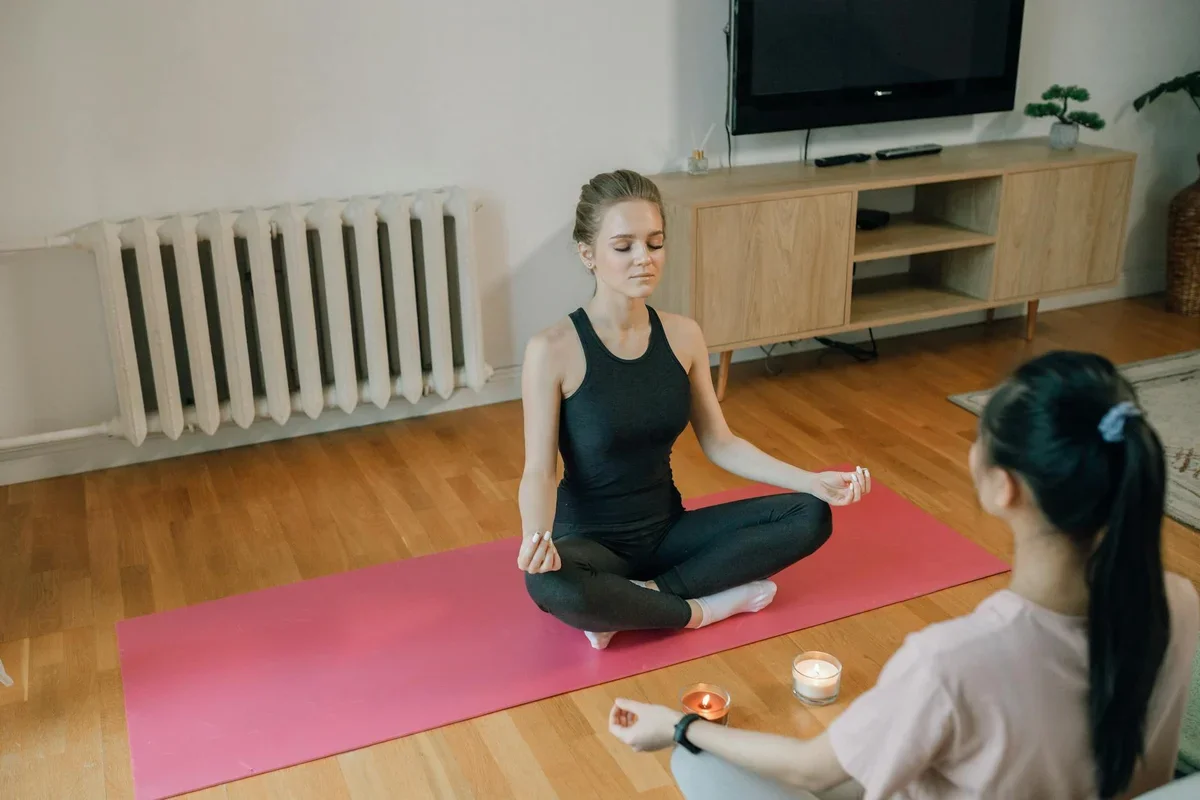
Sit comfortably with your spine straight but not rigid. Rest your hands on your knees or in your lap. Close your eyes gently or soften your gaze downward.
Take three deep breaths to signal the start of your session. Let your breathing return to its natural rhythm without forcing anything.
Finding Your Focus (2 minutes)
Bring attention to your breath without changing it. Notice the sensation of air entering and leaving your nostrils. You might feel coolness on the inhale and warmth on the exhale.
Don't worry about breathing "correctly." Simply observe whatever happens naturally. If counting helps, count each exhale from one to ten, then start over.
Working with Wandering Thoughts (2 minutes)
When your mind wanders – and it will – gently return focus to your breath. Don't judge yourself for losing concentration. Noticing that your mind wandered and redirecting attention is actually the practice working.
Think of thoughts like clouds passing through the sky. Acknowledge them without getting caught up in their content, then return to your breath.
Closing Your Session (30 seconds)
As your timer sounds, take a moment to notice how you feel. Wiggle your fingers and toes before opening your eyes. Take a few normal breaths and appreciate yourself for completing the practice.
What to Expect
Your first sessions might feel frustrating or uncomfortable. This is completely normal. Many beginners expect immediate calm or profound insights, but meditation benefits develop gradually.
Some days your mind will be busier than others. External factors like stress, sleep quality, and caffeine intake affect your meditation experience. Consistency matters more than perfect sessions.

Building a Consistent Daily Practice
Consistency transforms meditation from an occasional activity into a life-changing habit. Here's how to build a sustainable practice:
Starting Small
Begin with just 5 minutes daily. This duration feels manageable and reduces the likelihood of skipping sessions. Many successful practitioners started with even shorter periods – 2-3 minutes can be effective initially.
Resist the urge to meditate for longer periods sporadically. Five minutes every day beats 30 minutes once a week for building neural pathways and establishing routine.
Habit Stacking
Attach meditation to an existing habit. For example, meditate immediately after brushing your teeth or before your morning coffee. This technique leverages established routines to trigger your new practice.
Habit stacking works because it requires less willpower than creating entirely new routines. Your brain already associates the existing habit with a specific time and context.
Tracking Your Progress
Keep a simple meditation log noting the date, duration, and how you felt afterward. Many apps automatically track sessions, but a written journal can provide deeper insights.
Track consistency rather than performance. Missing a day isn't failure – it's information about what obstacles you need to address.
Overcoming Common Obstacles
"I don't have time" – Start with 2-3 minutes. Everyone has this much time, and success with short sessions builds motivation for longer periods.
"I can't stop thinking" – Thinking during meditation is normal. The practice involves noticing thoughts and returning to your focus point, not eliminating thoughts entirely.
"I don't feel different" – Benefits often develop subtly. Others might notice changes in your stress levels or emotional reactions before you do.
Gradually Increasing Duration
After maintaining 5-minute sessions for 2-3 weeks, consider extending to 7-10 minutes. Add 2-3 minutes every few weeks rather than making dramatic increases.
Some practitioners find their natural sweet spot around 10-15 minutes, while others prefer 20-30 minute sessions. Let your comfort and schedule guide duration increases.
Improved sleep quality often accompanies regular meditation practice, much like the strategies outlined in our guide on How to Improve Sleep Quality: 12 Science-Backed Methods.
Common Beginner Mistakes and How to Avoid Them
Understanding common pitfalls can save you frustration and help maintain motivation during your early meditation journey.
Unrealistic Expectations
Many beginners expect immediate dramatic results or mystical experiences. Real meditation benefits develop gradually through consistent practice. Expecting instant transformation often leads to disappointment and abandonment of the practice.
Focus on the process rather than outcomes. Each session contributes to your overall well-being, even if individual sessions feel unremarkable.
Trying to Stop All Thoughts
A busy mind doesn't indicate failed meditation. Thoughts are natural mental activity – the practice involves changing your relationship with them, not eliminating them.
When thoughts arise, acknowledge them with phrases like "thinking" or "planning," then return to your focus. This labeling technique reduces the power thoughts have over your attention.
Being Too Hard on Yourself
Self-judgment during meditation creates additional mental activity and stress. Treat yourself with the same kindness you'd show a good friend learning a new skill.
Every moment of awareness – including noticing that your mind wandered – is a success. The practice isn't about perfect focus but developing the ability to notice and redirect attention.
Inconsistent Practice
Skipping days frequently prevents habit formation and reduces cumulative benefits. It's better to meditate for 3 minutes daily than 20 minutes sporadically.
When you miss a session, return to practice the next day without guilt or trying to "make up" lost time. Consistency matters more than perfection.
Forcing Relaxation
Trying to force calm or peaceful feelings often creates tension. Meditation involves accepting whatever arises – including restlessness, anxiety, or discomfort.
Some sessions will feel agitated or uncomfortable. This doesn't mean you're doing anything wrong. These experiences provide valuable opportunities to practice equanimity.
Comparing Your Experience
Everyone's meditation experience is unique. Comparing your practice to others' descriptions or social media posts can create unnecessary pressure and dissatisfaction.
Your meditation journey will unfold at its own pace. Trust the process and focus on your personal development rather than external comparisons.
Best Meditation Apps and Resources for 2026
Technology can significantly support your meditation practice. Here are the top resources available in 2026:
Leading Meditation Apps
Headspace remains a top choice for beginners with its structured programs and friendly guidance. The app offers courses specifically designed for new meditators, including sessions as short as 3 minutes.
Calm provides excellent variety with nature sounds, sleep stories, and masterclasses from meditation experts. Their Daily Calm sessions offer fresh content every day.
Insight Timer features thousands of free guided meditations and a strong community component. You can connect with other practitioners and join virtual meditation groups.
Ten Percent Happier offers practical, no-nonsense approach to meditation with courses taught by experienced teachers. The app includes helpful Q&A sessions addressing common concerns.
Free Online Resources
YouTube hosts countless guided meditations from reputable teachers. Channels like "The Honest Guys" and "Jason Stephenson" offer high-quality content for all experience levels.
UCLA Mindful Awareness Research Center provides free guided meditations and educational materials backed by scientific research.
Mindfulness-Based Stress Reduction (MBSR) online courses offer comprehensive training in mindfulness techniques developed by Jon Kabat-Zinn.
Books and Audiobooks
"The Miracle of Mindfulness" by Thich Nhat Hanh provides gentle introduction to mindfulness practice with practical exercises.
"Wherever You Go, There You Are" by Jon Kabat-Zinn offers secular approach to mindfulness suitable for all backgrounds.
"10% Happier" by Dan Harris shares relatable journey of skeptical news anchor discovering meditation benefits.
Virtual Reality and AI-Enhanced Meditation
2026 brings innovative meditation technologies. VR apps like Guided Meditation VR transport you to peaceful virtual environments, while AI-powered apps provide personalized guidance based on your progress and preferences.
These technologies can enhance traditional practice but shouldn't replace fundamental meditation skills. Use them as supplements to, not substitutes for, developing your own inner awareness.
Measuring Progress and Long-term Benefits
Tracking meditation progress requires attention to subtle changes rather than dramatic transformations. Here's how to recognize your development:
Short-term Indicators (1-4 weeks)
Increased awareness of thoughts and emotions is often the first noticeable change. You might catch yourself getting stressed or reactive more quickly than before.
Improved sleep quality frequently occurs within the first few weeks. Many practitioners report falling asleep more easily and waking up more refreshed.
Greater patience during minor frustrations – like traffic jams or waiting in line – indicates developing emotional regulation skills.
Medium-term Benefits (1-3 months)
Enhanced focus and concentration become apparent in work or study situations. Tasks that previously felt overwhelming may seem more manageable.
Reduced reactivity to stress means you recover more quickly from difficult situations and maintain perspective during challenges.
Improved relationships often result from increased patience and emotional awareness. Others might comment on your calmer presence or better listening skills.
Long-term Transformations (3+ months)
Deeper self-understanding develops as you observe thought patterns and emotional habits. This awareness enables more conscious choices in daily life.
Increased resilience helps you navigate major life changes or challenges with greater equanimity. Problems don't disappear, but your relationship with difficulty shifts.
Enhanced creativity and problem-solving abilities often emerge as mental clutter decreases and space for innovative thinking increases.
Tracking Methods
Mood ratings before and after sessions provide objective data about meditation's immediate effects on your emotional state.
Sleep tracking through apps or wearable devices can reveal improvements in sleep quality and duration.
Stress level assessments using simple 1-10 scales help identify patterns and progress over time.
Journaling about daily experiences and reactions provides qualitative insights into your developing awareness and emotional regulation.
When Progress Feels Slow
Meditation benefits often develop so gradually that you don't notice them immediately. Others frequently observe changes in your demeanor or stress levels before you recognize them yourself.
Plateus are normal parts of the meditation journey. Sometimes progress involves integrating previous gains rather than acquiring new skills.
Consider meditation a long-term investment in your mental health and well-being rather than seeking immediate returns. The most profound benefits often emerge after months or years of consistent practice.
Conclusion
Starting meditation as a beginner in 2026 offers unprecedented access to resources, technology, and scientific understanding of contemplative practices. The journey begins with a single 5-minute session and grows into a lifelong practice that can transform your relationship with stress, emotions, and daily challenges.
Remember that meditation is called a "practice" for good reason – it's an ongoing process of development rather than a skill you master once. Be patient with yourself, maintain consistency over intensity, and trust that small daily investments in mindfulness will yield significant returns over time.
Your meditation journey is unique. Start where you are, use what works for you, and gradually build a practice that supports your well-being and personal growth. The benefits of learning how to start meditation for beginners extend far beyond the cushion, influencing every aspect of your daily life.
Disclaimer: This article is for informational purposes only. If you have mental health concerns or medical conditions, consult with a qualified healthcare professional before beginning a meditation practice.
Frequently Asked Questions
How long should beginners meditate each day?
Beginners should start with just 5 minutes daily. This duration is manageable and helps build consistency without feeling overwhelming. After 2-3 weeks of regular practice, you can gradually increase to 7-10 minutes.
What is the best time of day to meditate for beginners?
Morning meditation is often ideal for beginners because your mind is typically calmer after sleep, and it establishes a consistent routine. However, any time you can practice regularly works well.
Can you meditate lying down as a beginner?
While possible, sitting upright is recommended for beginners because lying down often leads to falling asleep. If physical limitations require lying down, try propping yourself up slightly to maintain alertness during practice.
How do you know if you're meditating correctly?
You're meditating correctly if you notice when your mind wanders and gently return attention to your focus point. There's no perfect meditation session – the practice involves observing thoughts without judgment and redirecting attention.
What should you do when your mind wanders during meditation?
When your mind wanders, simply notice it without judgment and gently return attention to your breath or chosen focus. Mind wandering is normal and expected – recognizing it and redirecting attention is actually the meditation working properly.